What’s the biggest status symbol for the 1%? What if it’s having a third kid?
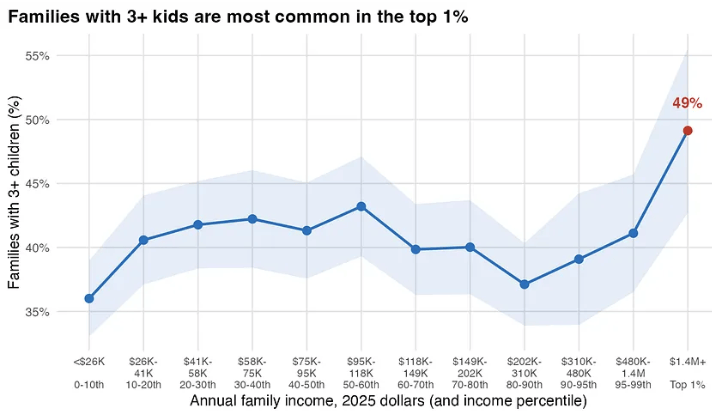
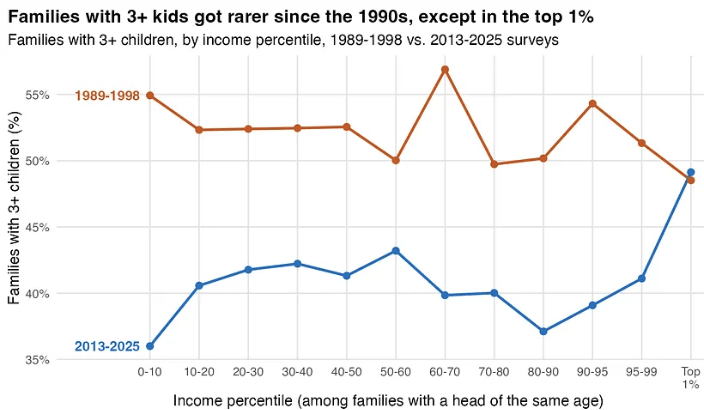
Is this about a third kid becoming a new cultural symbol for the 1%? A third kid isn’t new for them; what’s new is that it has become rarer for everyone else.
_________________________
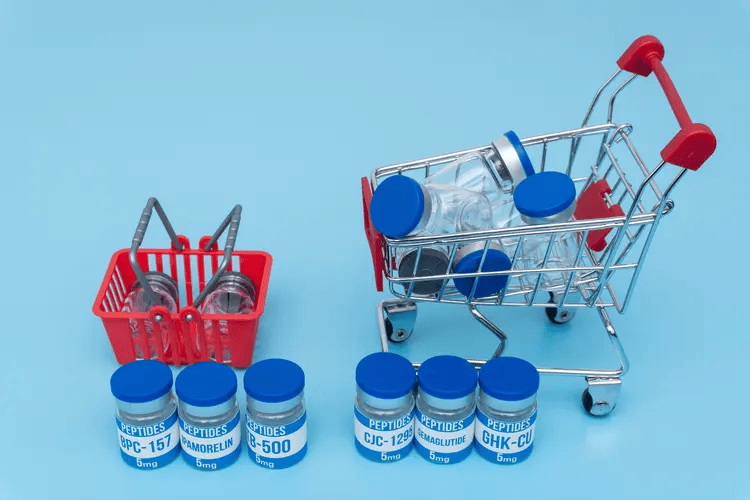
From Time magazine: The Peptide Rush Has Begun
The U.S. Food and Drug Administration (FDA) essentially banned peptides in 2023 because of safety concerns. But an FDA committee met in July to review the evidence on peptides and recommend whether or not to take the highly unusual step of allowing pharmacies to dispense them absent scientific review.
It recommended allowing specialty pharmacies to dispense six peptides, despite FDA staff advising against the move. The peptides listed in Appendix A were BPC-157, Epitalon, KPV, MOTS-c, Semax, and TB-500.
Shortly after the new notice was published, a number of telehealth websites were already marketing the six peptides, each for a price of anywhere from $199 to $249 a month.
_________________________
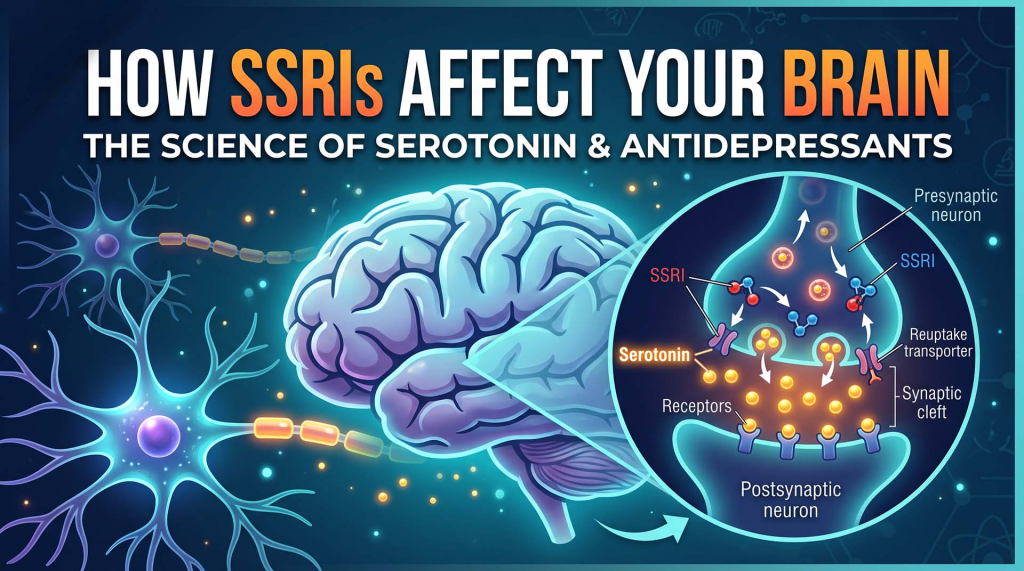
How, exactly, do antidepressants work?
For decades, the public understanding of antidepressants has been stuck in a narrative popularized by pharmaceutical advertising in the 1990s: that they work by correcting a chemical deficiency in the brain.
But evidence from research studies has been clear since at least the early 2000s, if not earlier, that this is not how antidepressants work. Doctors prescribe the drugs because decades of study data and patient reports show they can relieve people’s mental health problems. But doctors and scientists don’t have a clear understanding of how they do that. That may be surprising, but it’s the case for many kinds of medications, such as acetaminophen and general anesthetics.
Chemical Imbalance
Let’s start with the grain of truth in the chemical imbalance story. Antidepressants such as S.S.R.I.s (selective serotonin reuptake inhibitors) and others do increase levels of certain brain chemicals called neurotransmitters. But as far as we can tell, they aren’t correcting a chemical deficiency. Instead, their beneficial effects seem to arise from a cascade of changes they set off within the nerve cells that then alter the activity of brain circuits and our thought patterns.
Depression and anxiety appear to involve a shift in how a person processes emotionally significant information. Neutral facial expressions take on a more disapproving and critical vibe. Negative memories are recalled more readily than positive ones. Rewards feel muted, while criticism feels overly painful. It is common for people with depression or anxiety to feel stuck in a persistent loop of negativity.
Antidepressants shift this negative emotional information processing in a positive direction. This effect becomes evident fairly quickly after a person starts taking antidepressants — within days, sometimes after a single dose.
But this change in how emotional information is processed isn’t enough to lift people out of a state of depression or anxiety. What follows is typically a period during which people relearn how to see themselves and the world. Once they are no longer filtering everything through negative lenses, their brains can gradually accumulate more neutral or positive experiences of themselves and the world around them.
Environment
The environment of a medicated person plays a crucial role in this relearning. People with more social support and positive interpersonal relationships, including psychotherapy, tend to gain more from the medications.
Neuroplasticity
Another way in which antidepressants may work involves the enhancement of neuroplasticity, or the brain’s ability to reorganize its structure and connections. Continued treatment with antidepressants may bolster brain chemicals and processes that promote neuroplasticity. (Psychedelics are thought to work as a treatment for depression and anxiety, in part, for a similar reason.) The hypothesis is that the drugs open a “window” of plasticity through which the brain has a renewed ability to change the way it is wired. Patients treated with antidepressants often feel more mentally malleable and better able to move away from unhelpful thinking patterns. We should think about antidepressants as relieving a kind of cognitive constipation.
Blunting Emotions
Antidepressants can flatten emotions as a side effect. Some argue that this emotional blunting is how antidepressants work, and that the drugs don’t treat mental health problems so much as dampen feelings, both positive and negative.
Placebo Effect
Any discussion of how antidepressants work also needs to acknowledge that research shows factors such as optimism about treatment, expectancy of relief, a positive relationship with the doctor, the passage of time and regular contact with medical staff contribute to a substantial proportion of people’s improvement. While antidepressants do outperform placebos and have specific effects, the difference from placebo for the average patient is modest. Good clinicians are aware of this and pay attention to how they prescribe the drugs. They gain the trust of their patients, work collaboratively, encourage realistic hope, proactively address possible concerns and communicate frequently and empathetically during treatment.
_________________________
The average NFL game has been 3 hours 11 minutes, or 7 minutes longer than the last several years. By comparison, Major League Baseball games this year typically took 2 hours 45 minutes, a dramatic improvement since it introduced the pitch clock to address its pace-of-play crisis in 2023.
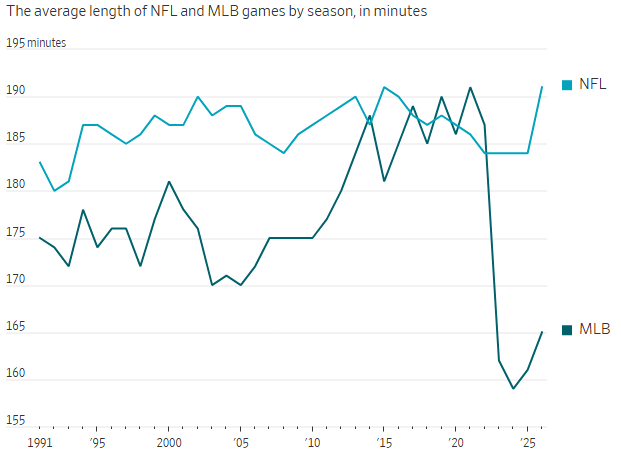
The NFL has historically maintained a tight grip on game duration and kept them brisker than college contests. The six college football games between two top-25 teams last weekend averaged 3 hours 26 minutes.
Back in 2017, after two seasons in which NFL games were 3 hours 10 minutes or longer, the league reduced its number of commercial breaks per game and saw the action speed up again. Other innovations, such as expedited reviews, have also helped move proceedings along.
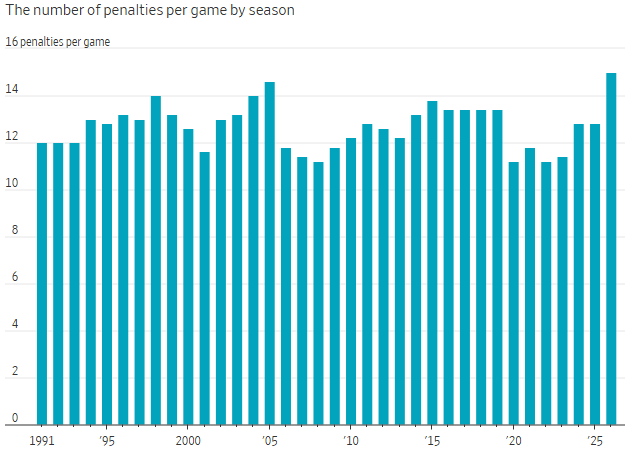
But as game length returns to those levels, one possible explanation is the yellow laundry littering fields everywhere. This season, there have been 15 penalties per game, which would be the most in a season in the Super Bowl era. While the frequency of flags tend to decline deeper into a season, certain holding calls shouldn’t necessarily be whistled when they’re away from the ball and not affecting play.
Games can take longer for the right reasons, too. During the closing stages of a nail-biter, teams call timeouts, run out of bounds and do everything they can to stop the clock. And this season, games have been about as tight as ever with an average margin of victory of 9.8 points per game.
Already this season, 31 games have seen game-winning scores in the final five minutes of the fourth quarter or overtime, the most through six weeks in NFL history. Fifty-seven out of 93 games, meanwhile, have been decided by one score, tied for the most ever. There have also been eight overtime games so far, which puts this season on an unusually high pace.
_________________________
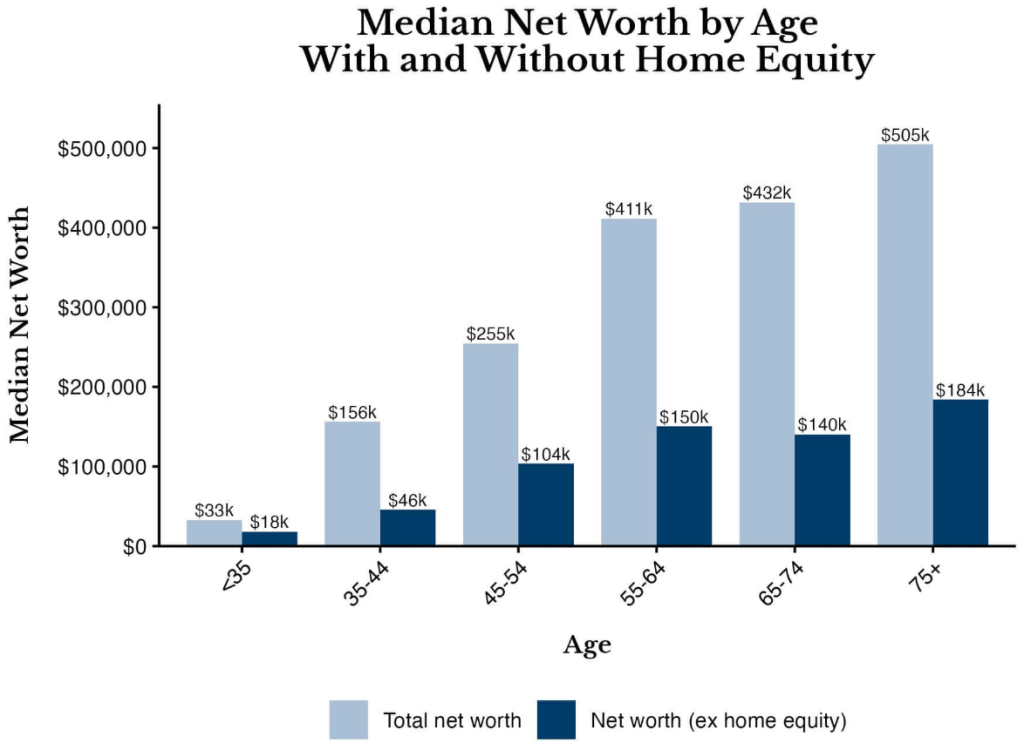
The graph below shows the median net worth by age, based on the Federal Reserve’s recently released 2025 Survey of Consumer Finances:
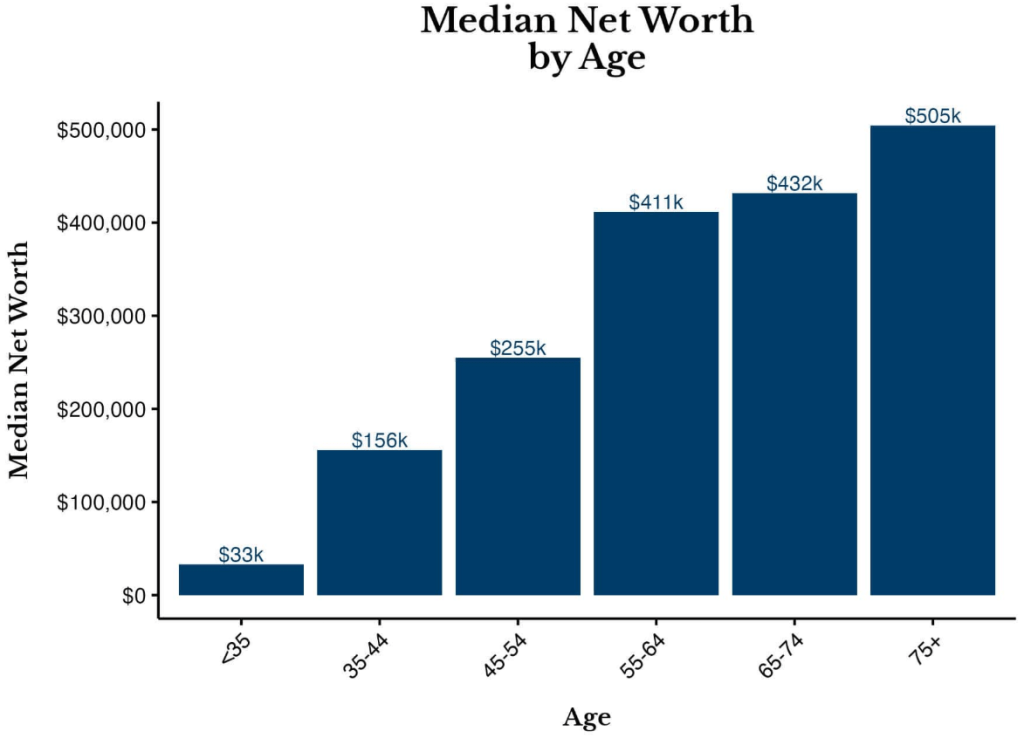
For the typical household 35 and older, home equity makes up between 55% and 70% of their net worth. The graph below shows the median net worth by age, both with and without home equity:
_________________________
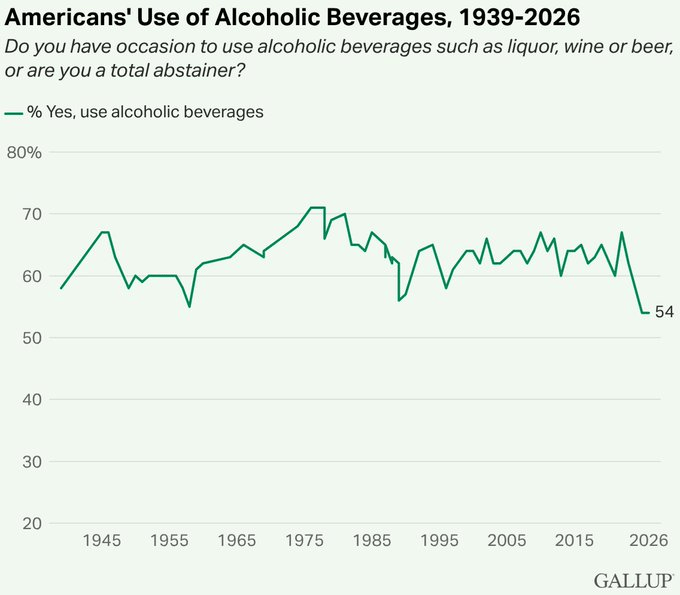
The percentage of US adults who say they drink alcohol has plummeted to 54%, the lowest in the history of a Gallup poll that goes back nearly 90 years.
_________________________
__________________________
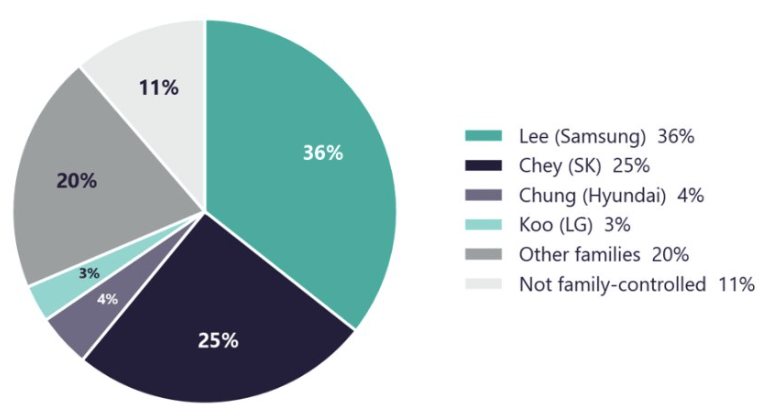
Four families own 69% of the Korean stock market.
_____________________________
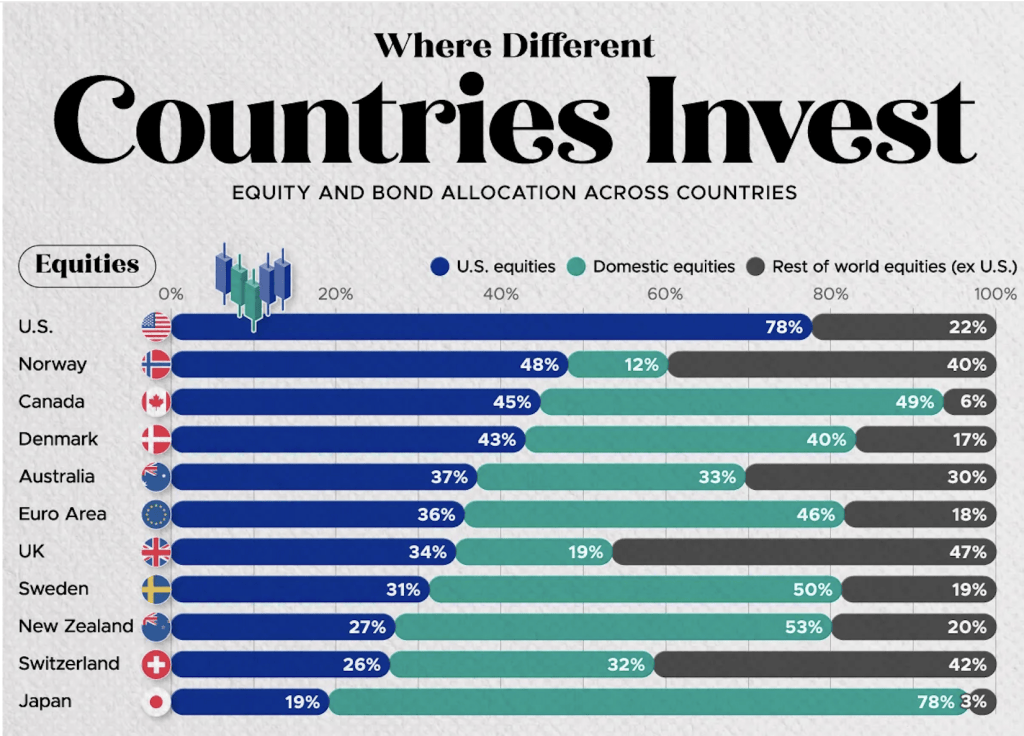
A great visual of the “home country bias” below, which is the tendency of investors to put most of their money into stocks from their own country instead of diversifying globally.
In many other countries it is their own country + the U.S. as their dominant combined position, largely because the U.S. stock market has performed much better than other countries around the world over the last 17 years.
That brings in “recency bias,” where people give more importance and weight to recent experience than to older or historical data.