Life insurance companies manage huge pools of money. When you buy a life insurance policy or annuity, they take your premiums and invest them so they can pay you (or your family) decades later. These are long-term promises, so it really matters that the money is managed safely.
Unlike banks, which are regulated by powerful federal agencies, insurance companies are regulated state by state. Each state has its own rules and a much smaller budget. Some states (like Vermont) offer very lenient rules to attract business. The result is that insurers can shop around for the weakest oversight — and state regulators are simply outgunned compared to the companies they’re supposed to watch.
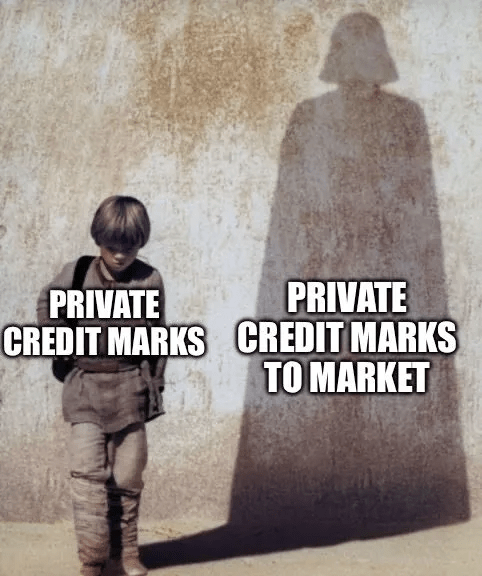
Insurance companies used to be boring and conservative. But in recent years, big private equity (PE) firms have bought up many of them. The PE firm is like a slaughterhouse that now owns the sausage factory. Instead of stuffing the sausage with quality meat (safe, plain bonds), they’re tempted to dump in their own leftover scraps (risky, hard-to-sell private credit deals) — because they control both sides of the transaction.
The PE firm originates risky loans, then has its own insurance company buy those loans. The PE firm collects fees and gets a guaranteed buyer for its products. But if those investments go bad, it’s not the PE firm that loses — it’s the insurance policyholders whose money was backing those investments.
The Hidden Risks:
- Maturity Mismatch: Insurers are using shorter-term money to fund long-term, hard-to-sell investments. That works until people want their money back all at once.
- Captive Reinsurance: Insurers are shuffling liabilities to affiliated shell companies (sometimes offshore) that don’t actually have enough real capital behind them. This makes the insurer look healthier on paper than it really is.
The economy and credit markets have been strong. When times are good, risky bets don’t look risky. But cracks are forming — defaults are rising, and some funds have already started blocking investors from withdrawing money.
The nightmare scenario is that if a recession hits, those risky private credit investments start defaulting, investors rush for the exits, and the illiquid assets have to be sold at fire-sale prices. The people left holding the bag would be ordinary insurance policyholders.
________________________
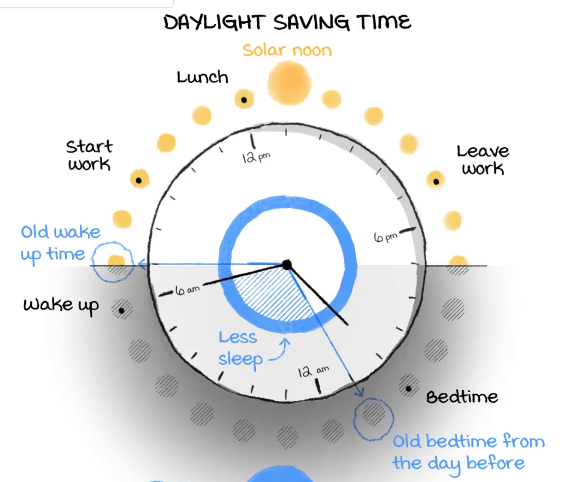
Why daylight saving time is worse for your body than standard time: An animated story explaining how spring and fall time changes affect your body.
_________________________
A new “magic mushroom” drug could treat depression without psychedelic hallucinations: Scientists are exploring a new way to harness the medical promise of psychedelic compounds without the mind-bending side effects.
Researchers created modified versions of psilocin — the active form of psilocybin from “magic mushrooms” — that still target key serotonin pathways linked to depression and other brain disorders but appear to cause far fewer psychedelic-like effects.

_________________________
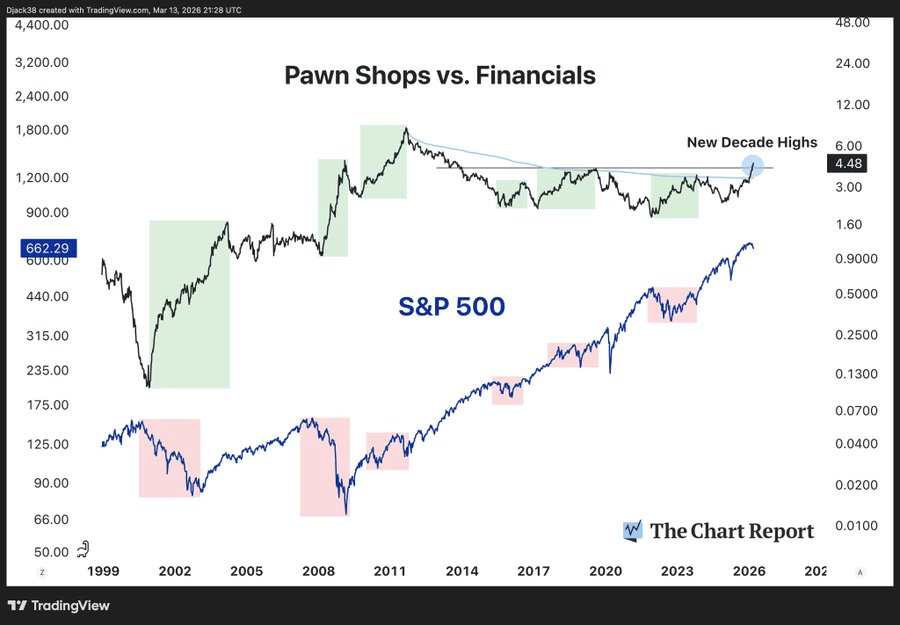
When pawn shops outperform financials, history shows the broader market environment tends to be messy. They have broken above their all-time high and are making new decade highs relative to financials.
 Tuna Thoughts