The Zodiac’s Cipher, China’s Strength & Social Media

There’s a new theory from an amateur code-breaker, Alex Barber, that links two of America’s most infamous unsolved cases: the 1947 mutilation murder of Elizabeth Short (known as the Black Dahlia) and the late-1960s killings by the Zodiac Killer.

Baber, a 50-year-old self-taught investigator from West Virginia with autism and no formal education beyond high school, claims both crimes were committed by the same person: Marvin Margolis (who later used the alias Marvin Merrill until his death in 1993). Baber says he cracked the Zodiac’s unsolved 13-symbol cipher (Z13) using AI-assisted methods, revealing the name “Marvin Merrill.” He connects this to the Black Dahlia case through circumstantial links, including:

  • Margolis’s brief living arrangement with Short shortly before her murder.
  • His Navy medical training explaining the surgical precision in her dismemberment.
  • A 1992 sketch by Margolis titled “Elizabeth” depicting a mutilated woman with the word “ZODIAC” hidden in the shading.
  • The possible murder site near a Compton motel called the Zodiac Motel, which Baber suggests inspired the killer’s later moniker.

Retired LAPD detectives (Rick Jackson and Mitzi Roberts) and former NSA codebreakers (Ed Giorgio and Patrick Henry) praise Baber’s work as compelling and “overwhelming” circumstantial evidence, with low probability of coincidence.

_________________________

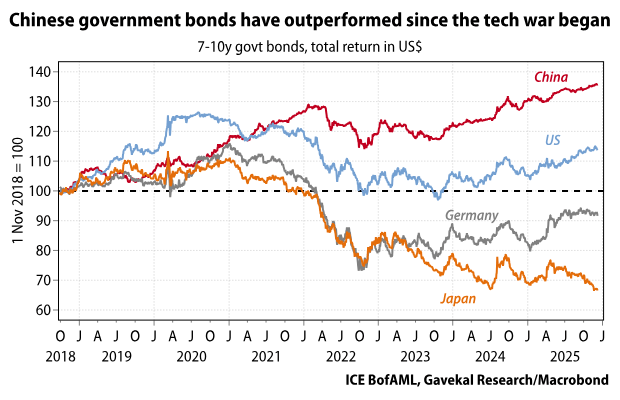
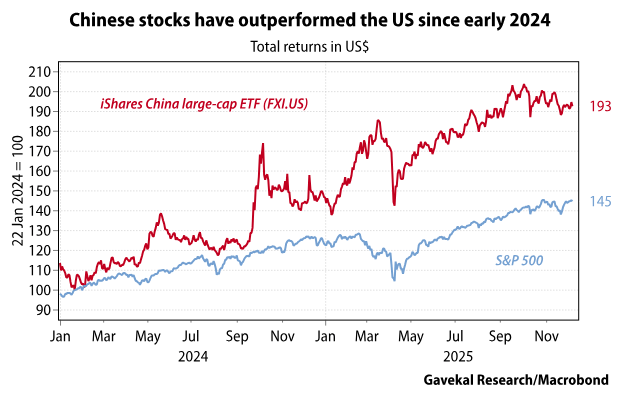
The 2018 US semiconductor embargo against China changed the world. The age of cooperation and globalization was over.

With the 2018 embargo, the US essentially punched China on the nose. At the time, China had little choice but to take the punch. Take the punch and prepare its own economy for a future in which it would be less vulnerable to further US embargoes.

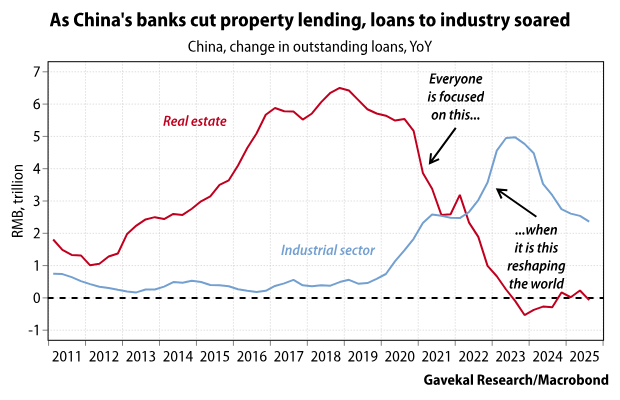
For seven long years China went on a diet, and went to the CrossFit gym. And as all of China’s savings were captured—through tighter capital controls, the suspension of IPOs, and the concentration of bank lending—and redirected towards China’s industrial supply chains, returns for investors were dreadful.

When Donald Trump came back to power in 2025, China, which had spent the past seven years getting toned, showed up and essentially said: “Gloves off. If you want a fight, let’s go. You tariff me, then I will tariff you. You embargo me, then I will embargo you.

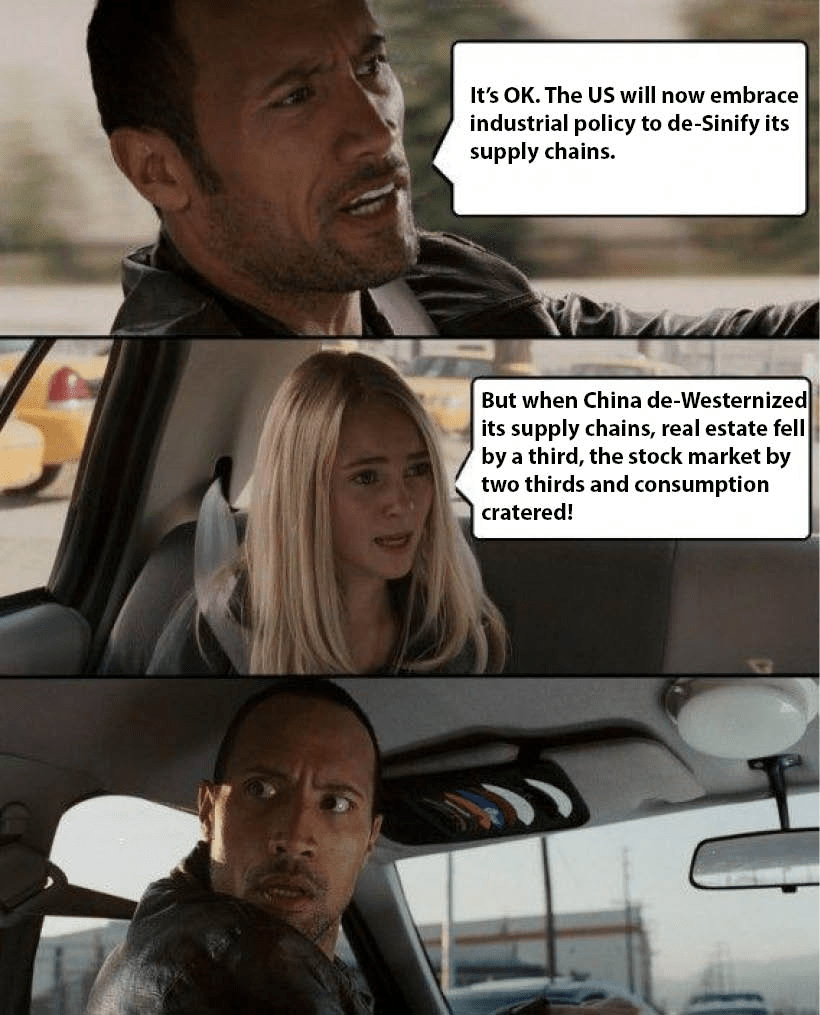
China’s response was to de-Westernize its supply chain, at great cost to its investor base, to economic growth, to domestic consumption and even to its birth rate.

Meanwhile, over the same period, the US did absolutely nothing to de-Sinify its own supply chain. While China hit the gym, the US partied. And partied hard: US budget deficits expanded, but pretty much just funded expansions in social benefits—social security, Medicare and Medicaid. Between 2018 and 2025, US government debt increased from $21 trillion to $38 trillion. However, none of the US $17 trillion in debt went into building new Hoover dams, new Tennessee Valley Authorities, new interstate highways or new railroads.

China’s push to de-Westernize its supply chains came at great cost to the Chinese economy and Chinese society. Would US policymakers countenance such judicial repression?

______________________________________

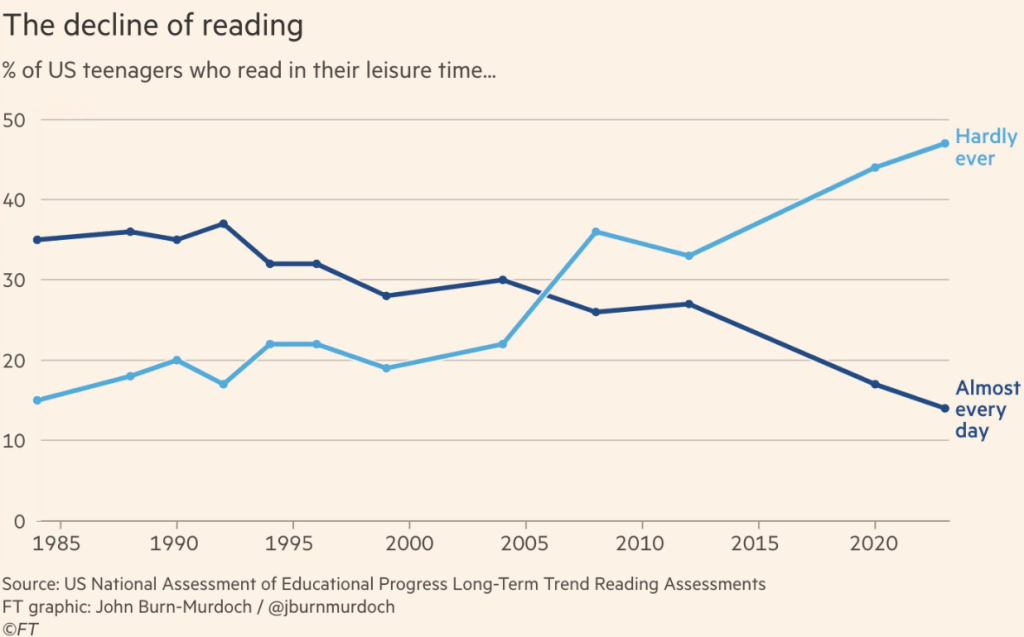
Readers used to outnumber non-readers 2 to 1. Now non-readers outnumber readers 3 to 1.

____________________________

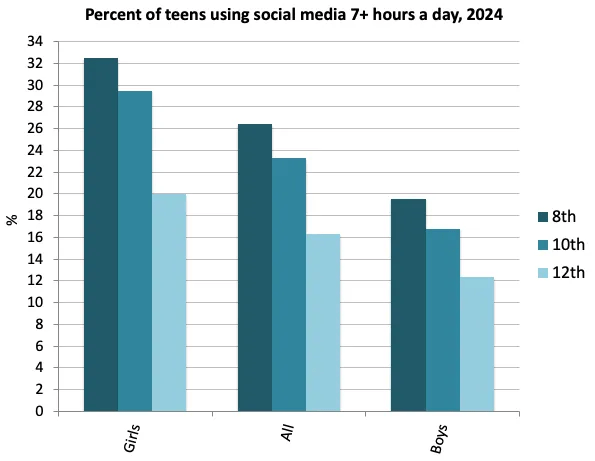
One third of 8th grade girls spend 7+ hours per day on social media. Meaning: that’s pretty much all they do.

________________________________

The frustrating truth is that we don’t really know for sure what the digital empire of short-form video is doing to our minds. But a systematic review of 71 studies with 98,000 participants published in 2025 reached an alarming finding. Across the dozens of studies, heavy short-form video users showed moderate deficits in attention, inhibitory control, and memory.

Several studies in the meta-analysis reported structural and functional differences in the prefrontal cortex and reward circuits among high-frequency users, while others found cognitive flexibility reductions and altered dopaminergic reward responses. None of this proves causation. But taken together, they suggest a plausible mechanism: a daily diet of hyper-rewarding, rapid-fire stimuli may gradually reshape attention and regulatory systems in ways that weaken our attentional control.

________________________________

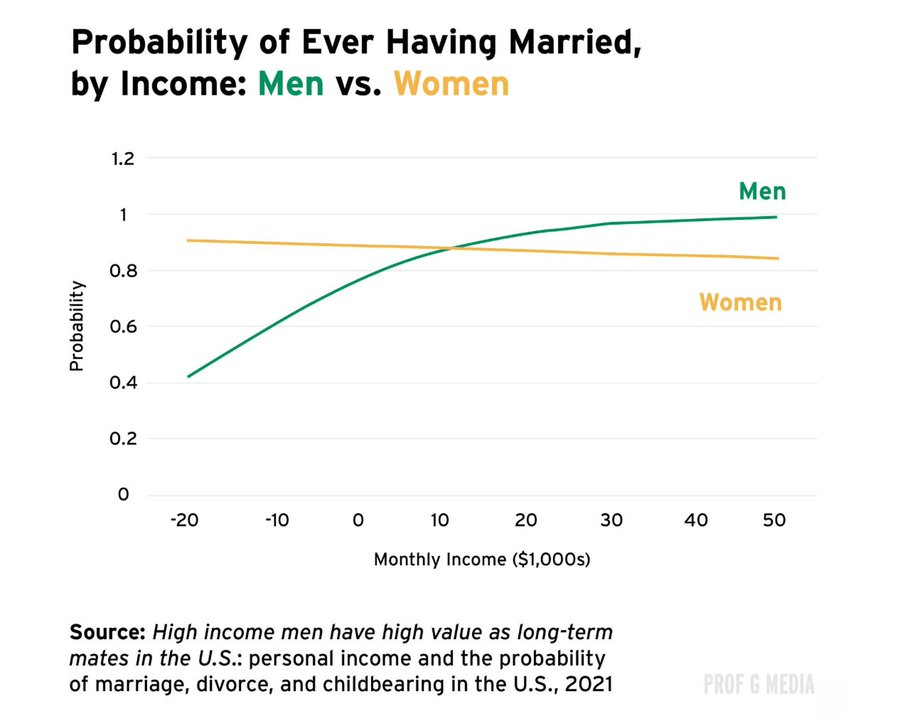
The probability of men getting married increases with their income.

________________________________

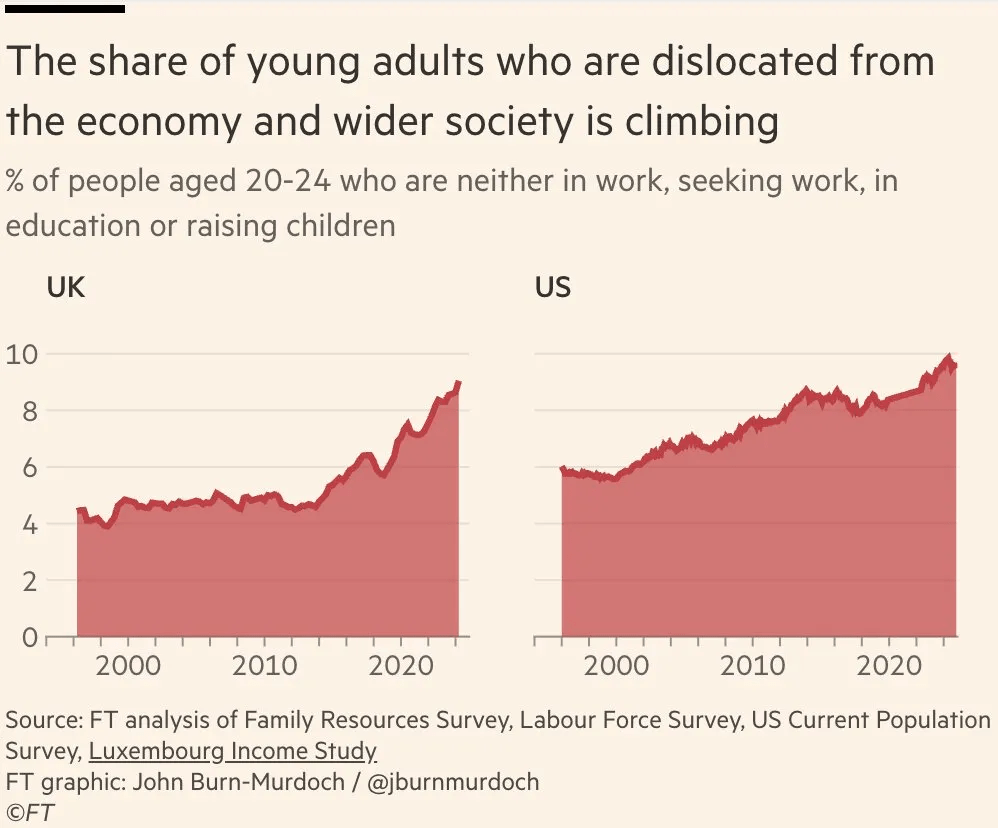
The share of people between 20 and 24 who are not in a job, or seeking work, or in school, or raising a child has nearly doubled in the last quarter-century in both the UK and the U.S.

________________________________

A list of small things you can do, that compound positively over time, from Kevin Dahlstrom (founder of Bolt.health) who just turned 55 and said he feels much healthier now than he did 10+ years ago:

  • Walk 15+ miles a week, even if you do other exercise.
  • Eat real food. Not too much.
  • Stop drinking alcohol, even in moderation.
  • Explore minimalism (it’s not what you think it is).
  • Get 8 hours of quality sleep each night.
  • Invest in experiences, not things.
  • Stay lean. Men in particular are obsessed with muscle mass these days, but bulk doesn’t age well. The goal is to be strong but lean. The fittest guys in their 50s and beyond aren’t meatheads, they’re lean guys who are serious about a sport.
  • Stop drinking sodas and sugary energy drinks.
  • Show up on time, every time. Poor time management limits success more than most people realize.
  • Find a hobby and pursue mastery. You can’t have a happy life without a passionate pursuit that isn’t your vocation. Your work—even if you enjoy it—isn’t enough.
  • Try psychedelics. It’s one of those things everyone should do at least once, and it might be the breakthrough you’ve been looking for.
  • Be a lifelong learner. Your brain is just like a muscle—if you don’t feed and flex it regularly, it will atrophy.
  • Find your purpose. People with a strong sense of purpose are happier and live longer. Lack of purpose sucks energy and magnifies depression.
  • Only take advice from people who embody the traits you want to have. Talk is cheap—emulate those who have done it.
  • The goal is not to retire and do nothing, it’s to build a great day-to-day life that you don’t need to escape. A life of leisure is a slow death.
  • Have fun! Do frivolous and silly things that make you smile.
  • Accumulate assets—things that grow in value over time. It’s the #1 habit of rich people, and it can be done in tiny chunks. It becomes addictive (in a good way).
  • Make your own decisions. We live in an era where most of what society tells us is wrong. Don’t be afraid to break from societal norms.
  • Go all in on family. Get married, stay married, have kids. Burn the boats. In the end, family is all that matters.
  • Be ruthless with your time. Money comes and goes. Time only goes. Audit your calendar ruthlessly—cut the trivial, double down on the meaningful, and spend your hours like your life depends on it.

_____________________________

________________________________

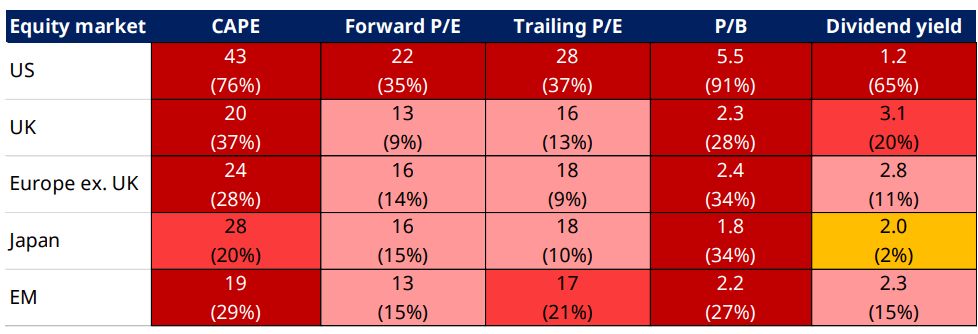
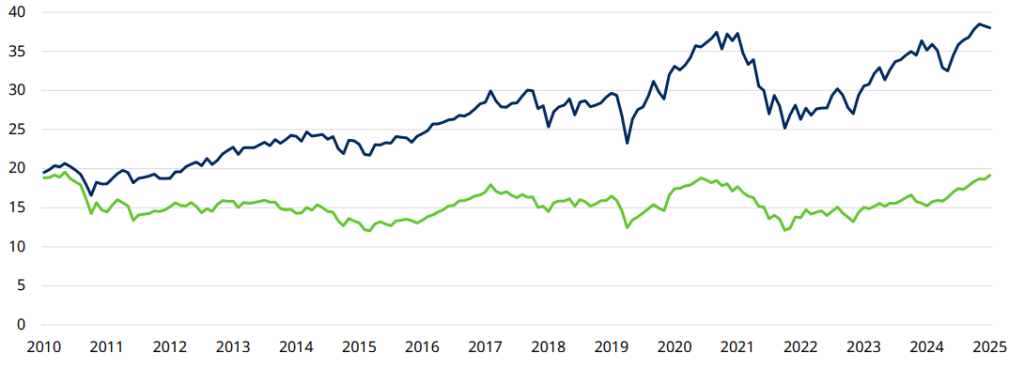
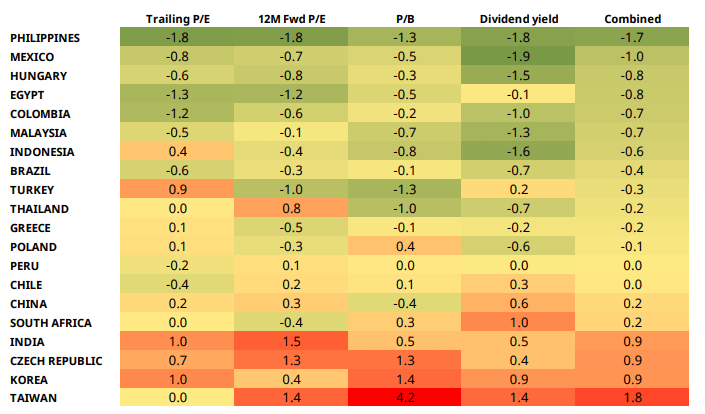
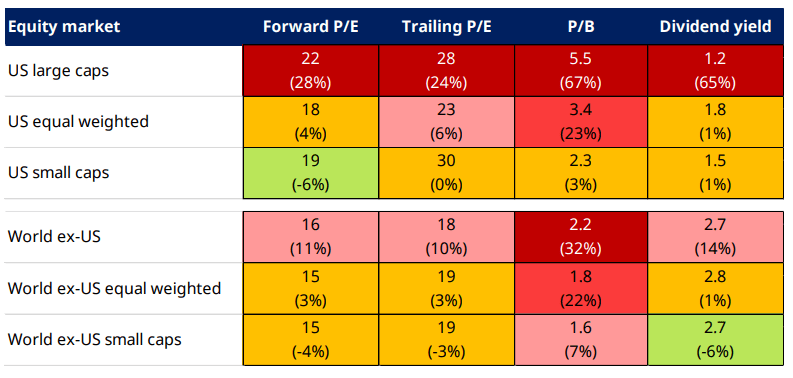
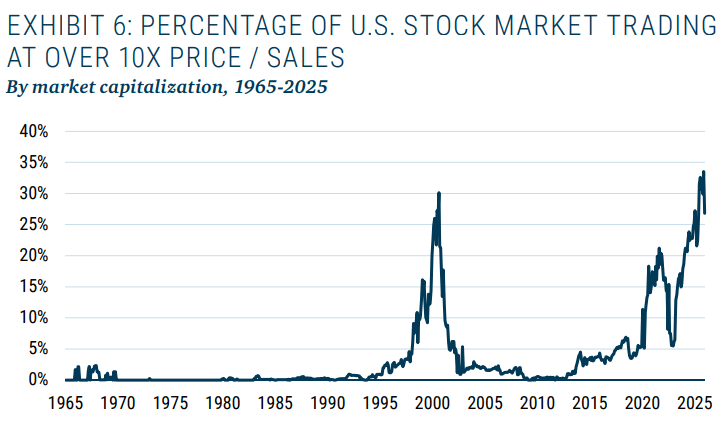
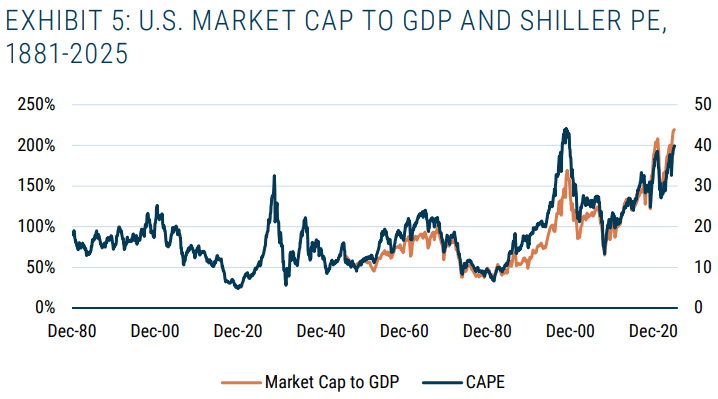
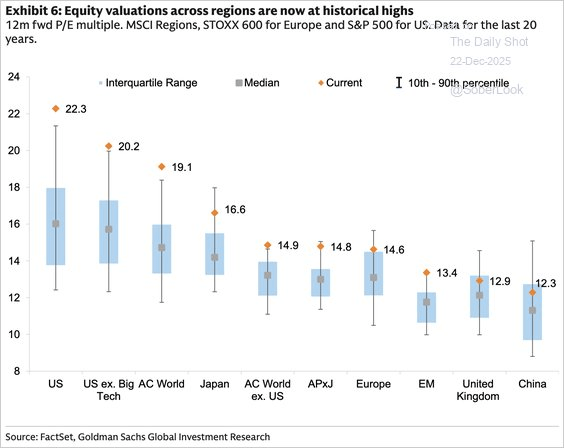
Stocks are still the most expensive in the United States, by far, but the rest of the world also became more expensive this year after an enormous rise in global stock prices almost everywhere.

Identity Switching, Work-Life Balance & College Graduates

One of the great causes of suffering is this maddening worry about what others think of us. I can go into its causes by pointing to evolutionary psychology and our hunter-gatherer roots, but that’s neither novel nor interesting. Rather, I want to delve into the asymmetry between what we know about ourselves, and the uncertainty surrounding what others know of us. Because at its core, the worry about what others think is ultimately a function of uncertainty.

Whenever we interact with someone – whether in-person or online – a gap emerges between who you are, and who you are presenting. This is why the person you are with your boss isn’t the same as the person on the couch watching Netflix. Or why the person you are with your best friend isn’t the same as the person you are with an acquaintance. Each relationship contains a culture of behavior that you oscillate between, which means that you’re constantly presenting a different version of yourself across a wide range of interactions.

What this means is that it becomes increasingly difficult to know who you really are. If a certain version of you emerges with this individual, but in the very next moment you toggle another set of behaviors with another, then that means your very identity is switching upon context. And the more you have to maneuver between various projections of yourself, the more difficult it becomes to get a handle on what “yourself” means in the first place.

This is why you’re likely exhausted after large social gatherings, and yearn to turn on the TV and watch something brainless until you drift off to sleep. The fatigue is not caused by the rigor in which your mouth is moving to talk, but rather by the constant switching of identity that occurs in these situations. When you’re worried about what someone thinks of you, it’s rarely about that person’s opinions of you. It’s about your own opinions of yourself. 

_________________________

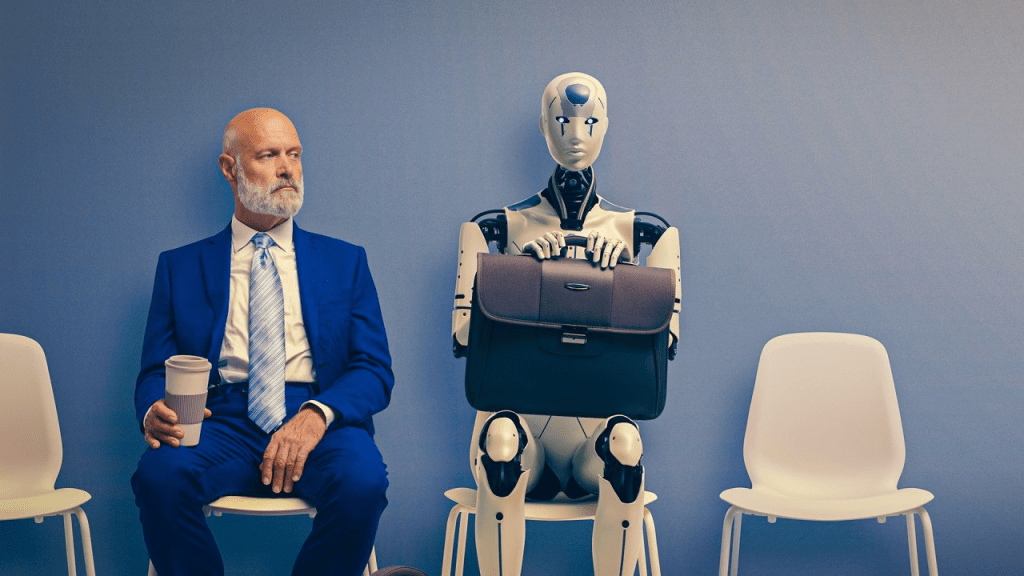
Is A.I. taking jobs from young college graduates? It depends on the job.

Stanford economists studied payroll data from the private company ADP, which covers millions of workers, through mid-2025. They found that young workers aged 22–25 in “highly AI-exposed” jobs, such as software developers and customer service agents, experienced a significant decline in employment since the advent of ChatGPT:

On the other end of the spectrum, they found for entry level workers in fields like home health aides, there is faster employment growth. That suggests this isn’t an economy-wide trend. The decline in employment really seems to be more concentrated in jobs that are more AI-exposed.

_______________________

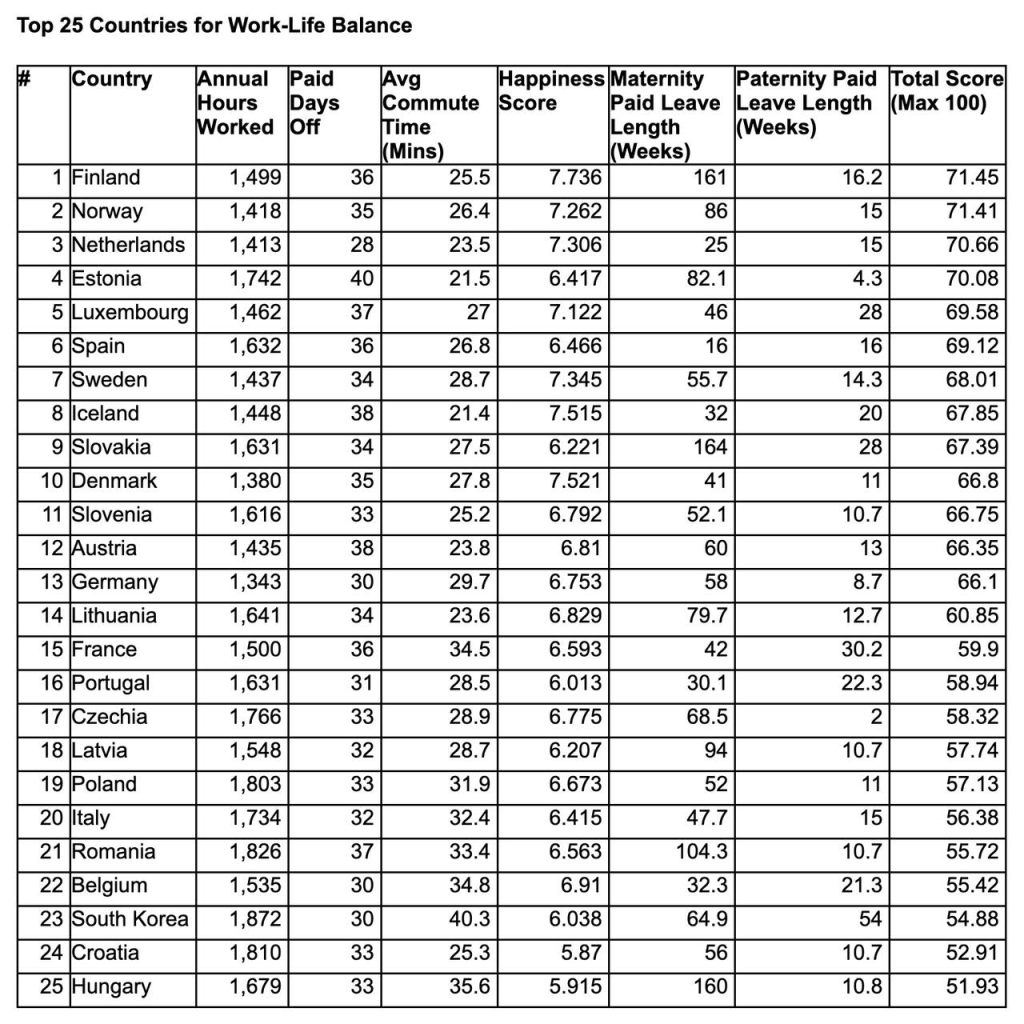
A new analysis of 39 nations reveals where employees enjoy the healthiest mix of work and personal life and on the other end of the spectrum – where long hours, limited leave, and lack of support take the greatest toll. The study assessed 10 factors including working hours, paid leave, commute length, parental support, remote work availability, and happiness scores.

Unsurprisingly, the United States finished dead last, ranked 39th out of 39. The US suffers from some of the longest working hours in the study, averaging 1,799 annually. It is the only country in the ranking without federally mandated paid annual leave or paid parental leave, and Americans devote only 14.6 hours per day to personal care and leisure.

___________________________

Interesting point on why college students are putting less effort into class: courses don’t prepare them for real jobs (like they should), so they have to spend more and more time making up the difference after class:

“A student said that coursework doesn’t prepare students to answer interview questions for finance and consulting jobs. The only way to get ready is through extracurriculars or on one’s own time. By sophomore year, his friends were fully absorbed in the internship-recruiting process. They took the easiest classes they could find and did the bare-minimum coursework to reserve time to prepare for technical interviews.

___________________________

From Kevin Kelly on how the relationship between book publishers and authors has changed:

“Traditional book publishers have lost their audience, which was bookstores, not readers. It’s very strange but New York book publishers do not have a database with the names and contacts of the people who buy their books. Instead, they sell to bookstores, which are disappearing. They have no direct contact with their readers; they don’t “own” their customers.

So when an author today pitches a book to an established publisher, the second question from the publishers after “what is the book about” is “do you have an audience?” Because they don’t have an audience. They need the author and creators to bring their own audiences. So, the number of followers an author has, and how engaged they are, becomes central to whether the publisher will be interested in your project.

Many of the key decisions in publishing today come down to whether you own your audience or not.”

_______________________________

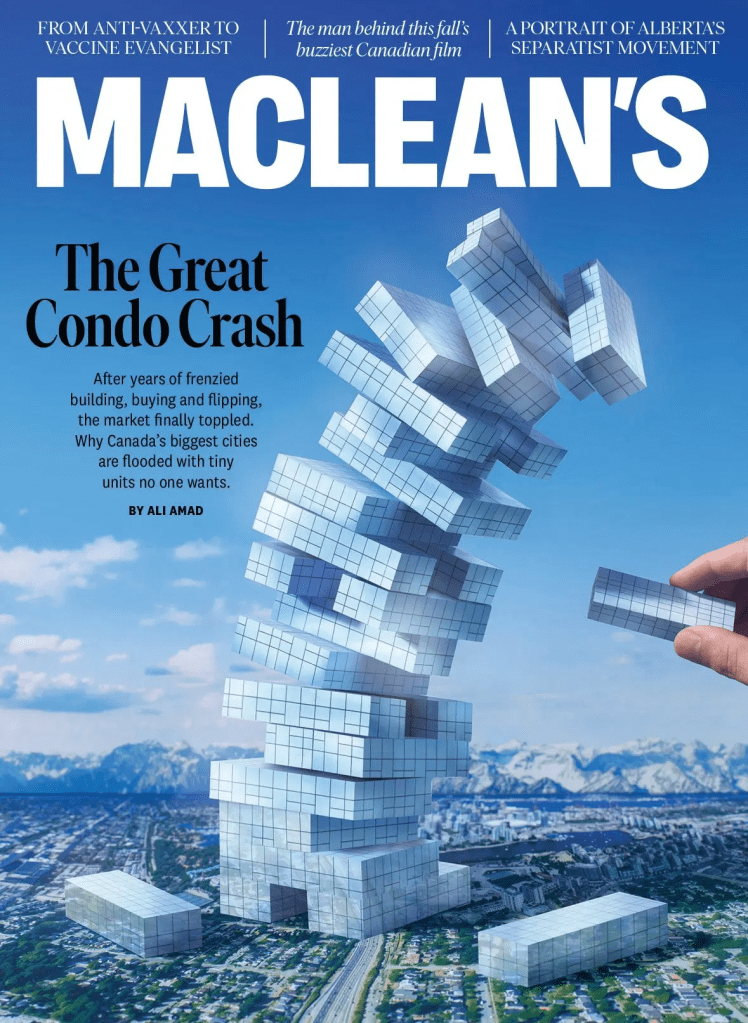
Canada’s Great Condo Crash: For years, low interest rates fueled a big-city condo-flipping frenzy. Profits got bigger and condos got smaller. Now the bubble has popped, leaving behind thousands of unsellable, unlivable units.

In the first quarter of 2019, the average Toronto condo cost $560,000. By the first quarter of 2022, they had soared to $808,000. Since that peak, the market has been in a painful reset.

By the first quarter of 2024, average condo values in the city had dropped by over $100,000 to $696,000, and they have continued to fall. As of this spring, the inventory of unsold units in Toronto totaled more than 23,000, which would take nearly five years to sell at the current rate. Of those, nearly 2,000 are built and sitting empty, more than 11,000 are under construction and roughly 11,000 more are in pre-construction projects.

_____________________________

As of July, there has been no reduction in import prices since Liberation Day, which are measured pre-tariff. Thus, foreign exporters in aggregate are not absorbing the tariff costs by reducing prices. This means most or all of the tariffs are being paid by American consumers and American businesses. For context, it takes about a 13% reduction in prices to offset a 15% tariff, or a 16% reduction in prices to offset a 20% tariff.

This shows up in a combination of higher consumer goods prices and/or compressed business margins of goods-heavy businesses, depending on how quickly businesses are able to pass those prices on to consumers (which will vary by industry and company; those with in-demand products can eventually pass on price increases, and those with thin margins have to eventually pass on price increases).

Consumers on the higher end of the income spectrum are less likely to change their consumption behavior and thus will basically just pay the tariffs, giving the government more revenue. Consumers on the lower end of the income spectrum are more likely to have to curtail consumption because their disposable income is scarce.

Another excellent newsletter from Lyn Alden on tariffs, fiscal income/spending, monetary policy and the implication on global economies and asset prices.

_____________________________

_______________________________

This chart shows the change in active housing inventory by state for 2025 compared to the average of 2018/2019. Orange colors mean higher inventory levels and prices are susceptible to fall, while green colors mean very low inventory and likely still price increases.

Trade, Jobs, Saunas & Music

Lyn Alden delivered an absolutely masterful letter this month, offering deep insights on U.S. trade, deficits, and their impact on asset prices.

Many people assume that the trade deficit works like this: Americans send slips of paper to the rest of the world, and the rest of the world sends us real good and services. That sounds like a pretty sweet deal for Americans, right? The problem is that this common description misses the next step. What does the rest of the world do with that paper (or more realistically, electronic digits) that they receive?

The answer is that they buy American assets, including stocks, bonds, private equity, and real estate. Stocks and bonds represent the bulk of what they buy. As a result, over time foreigners own a larger and larger share of US stocks in particular. So, in practice we are not selling worthless papers for real goods and services. We are selling stakes in our valuable appreciating capital assets to buy depreciating goods and services.

That asset accumulation by the wealthier parts of the foreign sector is what gives them a lot of ammo to hurt US markets when they run into dollar shortages. They’ve got a big stockpile of assets that they can sell to get dollars, and they own increasing shares of our companies’ dividend payments and voting rights.

_____________________________________

Labor conditions for recent college graduates have “deteriorated noticeably” in the past few months, and the unemployment rate now stands at an unusually high 5.8 percent. Even newly minted M.B.A.s from elite programs are struggling to find work. Law-school applications are surging—an ominous echo of when young people used graduate school to bunker down during the great financial crisis. What’s going on? I see three plausible explanations, and each might be a little bit true:

  1. The labor market for young people never fully recovered from the coronavirus pandemic—or even, arguably, from the Great Recession.
  2. College doesn’t confer the same labor advantages that it did 15 years ago.
  3. There are early signs that artificial intelligence is starting to transform the economy.

When you think from first principles about what generative AI can do, and what jobs it can replace, it’s the kind of things that young college grads have done” in white-collar firms. They read and synthesize information and data. They produce reports and presentations.

Today’s college graduates are entering an economy that is relatively worse for young college grads than any month on record, going back at least four decades.

____________________________________

More on the World Happiness Report for 2025 from a reporter who went to see what was happening in Finland, the country that has ranked highest in happiness for 8 consecutive years.

The first World Happiness Report, summarizing the state of its research, drew a distinction between two concepts: “affective happiness” and “evaluative happiness.” Affective happiness captures emotions, immediate responses to events, whether we are experiencing joy or sadness at one moment or another. Evaluative happiness is a more contemplative or systemic matter, mapping a person’s overall appraisal of life and whether they are satisfied with theirs. Affective happiness is the realm of laughter, fun, picnics, parties, sex. Evaluative happiness is tied to good health, sufficient income, social cohesion, safety.

A crude synonym for evaluative happiness — and so much of this research flounders on the crudeness of synonyms! — would be “contentment.” That is what the Cantril Ladder measures, and it should surprise no one that the Nordic countries, with their long life expectancies, highly redistributive tax regimens, functional governance, low corruption and shared norms land at the top of the charts. The type of happiness that tourists go to Finland to find isn’t even the sort of happiness the country is accused of possessing.

A second area of confusion is that the two concepts of happiness, affective and evaluative, can operate independent of each other. A woman in the midst of extruding a baby might suffer from labor pains (low affective happiness) but feel profoundly satisfied or purposeful (high evaluative happiness). The “happiest country in the world” label seems to imprint on the American mind as a never-ending carousel of delights, but in Finland’s February chill, the reality is more modest.

At home in Brooklyn, the library is papered with reminders to “Please keep your voice down.” In contradistinction, the signs at Oodi said, “Please let others work in peace!” The two commands are almost — but meaningfully not — synonymous. The Brooklyn version is a plea for self-control. The Finnish version is a request to acknowledge the existence of other people. You see the difference.

A friend called and I rambled about my sorrow at watching the Finnish children rove and play, and told her about how mothers of all ages gathered spontaneously in the library to chat or rest or idly massage their feet. I explained that one of these mothers had placed her baby, a child of no more than 9 months, in a highchair at a library cafe table and handed him a vegetable purée to consider, then left for 20 minutes to fetch books. When the mother returned she told me, “every few years there’s a crisis where a baby is stolen but then it is returned or found 15 minutes later. Nothing severe.”

All government buildings in Finland have a sauna on-site. Nationwide, there is more than one sauna for every two Finns. In Finland, sauna is not a means to an end. It will not make a person richer or more attractive or more focused. The point is not to sweat out “toxins,” though that may occur — I’m not a scientist. The point seems to be the act itself: sitting in nude serenity among family, friends and strangers, safe in the bone-deep sense of trust that such an idyll both requires and reinforces.

____________________________________

The internet has caused a Cambrian explosion of creative expression by allowing artists to execute and distribute their visions with unprecedented ease. More than 500 scripted TV shows get made every year; streaming services reportedly add about 100,000 songs every day. We have podcasts that cater to every niche passion and video games of novelistic sophistication. Technology companies like to say that they’ve democratized the arts, enabling exciting collisions of ideas from unlikely talents. Yet no one seems very happy about the results.

The problem is particularly acute in music. In 2024, new releases accounted for a little more than a quarter of the albums consumed in the U.S.; every year, a greater and greater percentage of the albums streamed online is “catalog music,” meaning it is at least 18 months old. Hoping to remonetize the classics, record labels and private-equity firms have spent billions of dollars to acquire artists’ publishing rights. 

Music is turning into a rights-management business. There are vested interests now that don’t want new music to flourish. The private-equity funds just want you to listen to the same songs over and over again, because they own them. The ultimate effect, he thinks, is to discourage true, daring artistry. If Bach were alive today, he’d spend a few weeks trying to break into the L.A. music scene and say, ‘Ah, I’ll be a hedge-fund manager instead.’

__________________________________

Morgan Housel put together a list of questions we should probably be asking ourselves, like:

  • Who do I envy that is actually less happy than I am?
  • How much have things outside of my control contributed to things I take credit for?
  • Which of my strongest beliefs are formed on second-hand information vs. first-hand experience?
  • If I could not compare myself to anyone else, how would I define a good life?
  • Which future memory am I creating right now, and will I be proud to own it?
  • What kind of lifestyle would I live if no one other than my immediate family could see it?
  • How much of what I do is internal benchmark (makes me happy) vs. external benchmark (I think it changes what other people think of me)?

____________________________________

The Global Flourishing Study, based on a survey undertaken by a consortium of institutions including my Harvard colleagues at the Human Flourishing Program. This survey also uses self-reporting, but it collects much more comprehensive data on well-being, in about half a dozen distinct dimensions and in 22 countries, from more than 200,000 individuals whom it follows over five years.

What does it show? A decline in the happiness of young people, and although young people’s emotional and psychological distress is more pronounced in wealthy, industrialized nations such as the United States, it is occurring across the world.

Scholars have long noted that happiness tends to follow a U-shape across the lifespan: Self-reported happiness declines gradually in young and middle adulthood, then turns upward later in life, starting around age 50.

But that has changed. The flourishing scores don’t fall from early adulthood, because they now start low; they stay low until they start to rise at the expected age later in life.

That’s the bad news, which is plenty bad. But there is some good news. The flourishing survey discovers one notable exception to this global pattern: a more traditional U-shaped curve among those young people who have more friends and intimate social relationships.

___________________________

This week, U.S. GDP data for the first quarter of 2025 (January through March) was released. The data showed that the U.S. economy shrank at an annualized rate of 0.3%, but almost every economics journalist and columnist reported that this decline was due to a surge of imports, as American companies rushed to stock up on foreign-made goods ahead of Trump’s tariffs. This is incorrect.

GDP is a measurement of everything produced within a country’s borders. Imports are produced outside a country’s borders. So imports don’t add to or subtract from GDP. Imports simply aren’t counted in GDP at all.

Suppose an American buys a TV made in China for $1000. Remember that GDP can be calculated as the sum of consumption, investment, government purchases, and net exports:

GDP = Consumption + Investment + Government Purchases + Net Exports

When the American buys the $1000 TV from China, U.S. consumption goes up by $1000. And U.S. net exports go down by $1000, since “net exports” means exports minus imports. The increase in consumption exactly cancels out the fall in net exports. So the total contribution of the imported TV to U.S. GDP is zero.

Let’s take another example, which is more like what actually happened in Q1. Suppose an American company, Best Buy, decides to buy a Chinese TV and put it in a warehouse, because it knows that tariffs are coming soon. That purchase counts as inventory investment. So investment goes up by $1000. And just like in the previous example, net exports go down by $1000. The two cancel out, and the total contribution of the imported TV to U.S. GDP is zero.

Here’s a simple analogy: Does putting on shoes make you lose weight? No, it doesn’t. And yet when you weigh yourself with your shoes on at the doctor’s office, and you want to know your actual body weight, you subtract the weight of your shoes afterwards. Imports are to GDP what shoes are to your weight on the scale at the doctor’s office — just something superfluous that gets added in for the sake of measurement convenience, and which has to be netted out again later to get the true number.

_____________________________________

____________________________________

Horror movies are having a good year: