Memories, Bonds & Marijuana

How much is a memory worth? Memories of experiences tend to increase in value over time – even if the experience doesn’t last long. Physical “Stuff” tends to last longer, but the value usually decreases over time. You can think of experiences vs. physical goods like appreciating assets vs. depreciating assets.

One piece of this equation of memories growing in value is because our ability to recall is quite poor. As time goes on, we also tend to remember the positive things more and block out the negatives.

If you share an experience, it creates a bond. When it comes to “stuff,” people don’t share, they compare.

______________________________

A phenomenal walk-through in Lyn Alden’s most recent monthly newsletter explaining why bonds yields no longer provide strong informational value on what is really happening in the economy and markets:

“It’s not the bond market of the 1980s or 1990s or even the 2000s anymore. It’s a big, bloated bond market that requires constant intervention by fiscal policymakers and monetary policymakers. There are pockets of information and pockets of opportunity here and there, but the overall market itself is not what it used to be.

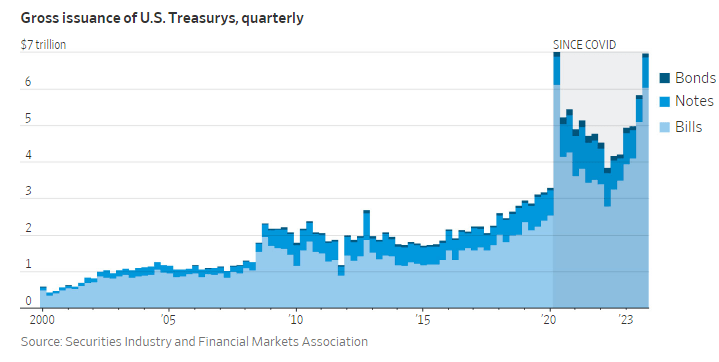
Inflation manifested in recent years without the bond market anticipating it at all, and it can certainly happen again in the future. The same is true for periods of disinflation or economic deceleration. And the bond market can’t really front-run the sheer supply of Treasuries that will be coming to the market over the upcoming years; for the most part it can only respond in real time from the flows.”

______________________________

Over the last 30 years, the number of people who report using marijuana in the past month has risen fivefold from 8 million to 42 million. More than 40 percent of marijuana users consume daily or near daily.

Just 2 percent of 12-17 year-old marijuana users consume daily or near daily. It is becoming something of an old person’s drug. As a group, 35-49-year-olds consume more than 26-34-year-olds, who account for a larger share of the market than 18-25-year-olds.

_______________________________
A quick walk through of how nuclear war would play out should remind us that we worry about the small stuff in life way too much. Too many investors don’t understand that their most precious asset is time and continue to waste it worrying about issues beyond their control.

_________________________

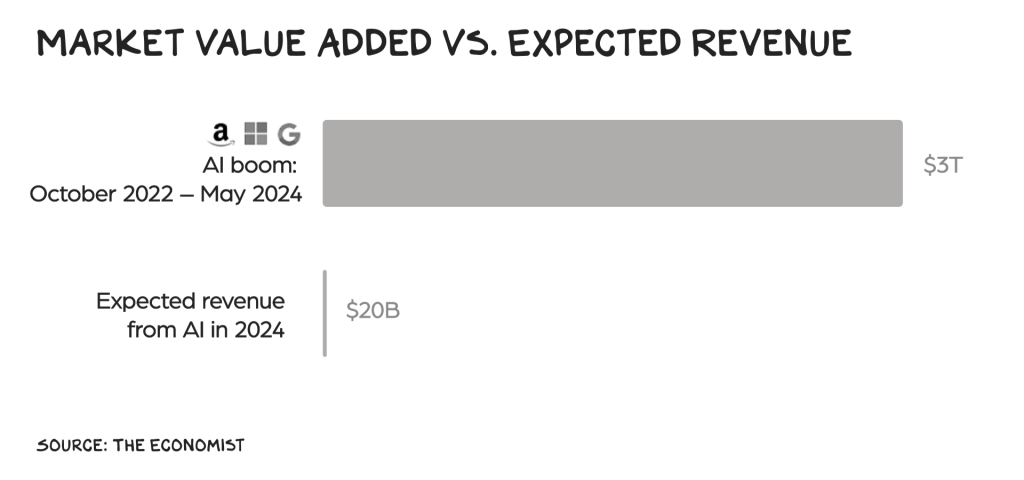
There is near-universal agreement on the AI market’s revolutionary potential, a historic consensus that explains the upward trajectory of AI stocks. In sum, everyone is barking up the same tree … which makes us stupid. It also inspires a question: Are we in a bubble?
__________________________

How to protect your keyless car from theft. Auto technology has evolved and many newer cars use wireless key fobs and push-button starters instead of traditional metal keys. That technology makes things easier for thieves. A simple but effective way to stop auto bandits from purloining your key fob signal is to use a Faraday bag or pouch.

_________________________

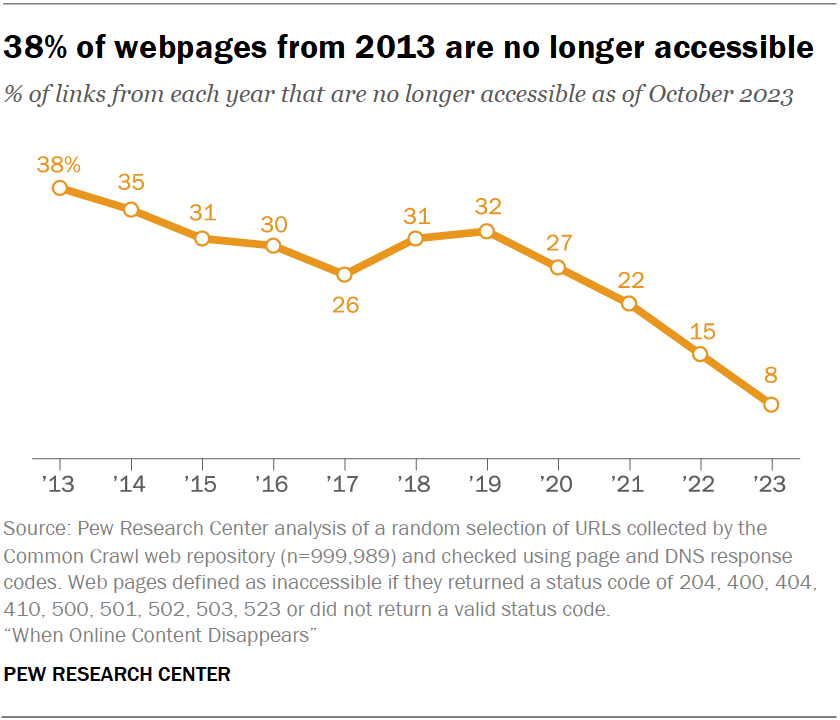
Online content is disappearing.
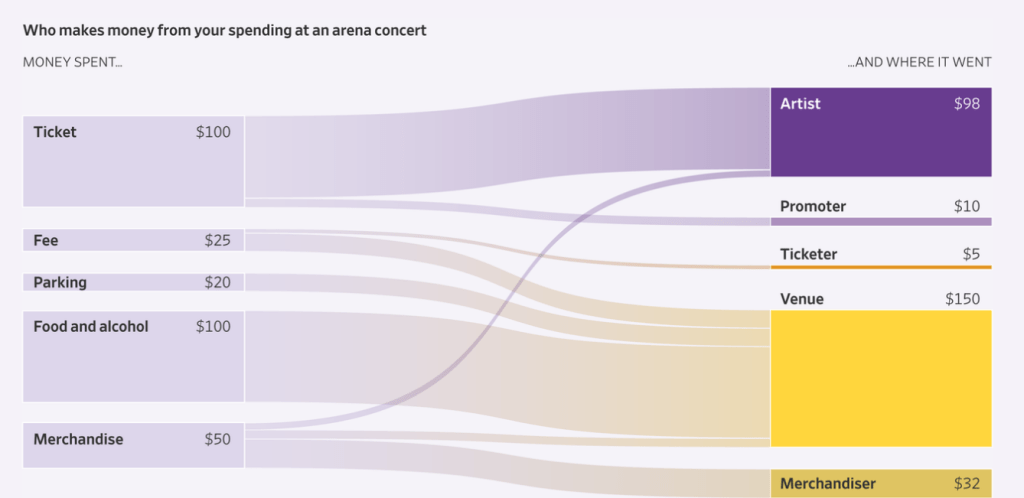
Who makes money when we go to concerts.
Music, Happiness & Children Reading

How music impacts our brain making us feel different ways. During peak emotional moments in the songs identified by the listeners, dopamine is released in the nucleus accumbens, a structure deep within the older part of our human brain.

_____________________________

_____________________________

Happiness = set-point (genetics) + life circumstances + volitional activity (things we can control). Different things have different levels of impact on happiness:

  • Zero To Small Effect: age, gender, education, social class, income, having children, ethnicity, intelligence, physical attractiveness.
  • Moderate Effect: number of friends, being married, religiousness, level of leisure activity, physical health, conscientiousness, extraversion, neuroticism (negative correlation), internal locus of control.
  • Large Effect: gratitude, optimism, being employed, frequency of intercourse (yeah, that means what you think it means), percent of time experiencing positive affect, self-esteem.

______________________________

______________________________

Kids in third and fourth grade are beginning to stop reading for fun. It’s called the “Decline by 9,” and it’s reaching a crisis point for publishers and educators. According to research by the children’s publishers Scholastic, at age 8, 57 percent of kids say they read books for fun most days; at age 9, only 35 percent do. This trend started before the pandemic, experts say, but the pandemic accelerated things.

______________________________

______________________________

The world is at a startling demographic milestone. Sometime soon, the global fertility rate will drop below the point needed to keep population constant. It may have already happened. Fertility is falling almost everywhere, for women across all levels of income, education and labor-force participation. The falling birthrates come with huge implications for the way people live, how economies grow and the standings of the world’s superpowers.

_____________________________

Anemoia & Predicting The Future

No one has the ability to predict what will happen in the financial markets. For most of its existence, the investment business was driven by information. Today, and unlike the past, most of us have access to the same information. What it means has now taken center stage. The world we live in is infinitely complex. We like to think that intelligence and effort can readily overcome the vagaries of the markets. That’s largely because we are addicted to certainty. However, the financial markets are simply too complex and too adaptive to be readily predicted.

_________________________

There is a beautiful and melancholic word I like called anemoia. It means nostalgia for a time or a place one has never known. This is a sentiment I often sense from Gen Z—especially in recent years. New technologies cheapen and undermine every basic human value. Friendship, family, love, self-worth—all have been recast and commodified by the new digital world: by constant connectivity, by apps and algorithms, by increasingly solitary platforms and video games. I watch ‘90s videos, and I have the overwhelming sense that something has been lost. Something communal, something joyous, something simple.

________________________

There are old investors, and there are bold investors, but there aren’t many old bold investors. As with so many aspects of investing, determining the proper amount of leverage has to be a function of optimizing, not maximizing. Extreme volatility and loss surface only infrequently. And as time passes without that happening, it appears more and more likely that it’ll never happen

________________________

SEINFELD: In the eighties, this is the tragic turn of American culture. And this was explained to me by Mario Joiner who cracked this puzzle that I could not figure out what the hell happened. That money became everything. It was not like that in the seventies. In the seventies, it’s how cool is your job? How cool is what you’re doing? If your job’s cooler than my job, you beat me.

_______________________

The Norwegian government is spearheading a significant initiative to prohibit students from having smartphones in schools. This move comes in the wake of compelling studies demonstrating the positive impact of removing these devices from students’ hands and allowing them to focus more on their learning. The results have been overwhelmingly positive; especially for young girls.

_______________________

Envy, Debt & Being Indistractable

Envy is inversely correlated with self-examination. The less you know yourself, the more you look to others to get an idea of your worth. But the more you delve into who you are, the less you seek from others, and the dissolution of envy begins.

__________________________________

As debt increases it narrows the range of outcomes you can endure in life. Once you view it as narrowing what you can endure in a volatile world, you start to see it as a constraint on the asset that matters most: having options and flexibility.

_________________________________

One of the most important skills of the future will be learning how to become indistractable. The root cause of human behavior is the desire to escape discomfort.  The truth is, we overuse video games, social media, and our cell phones not just for the pleasure they provide, but also because they free us from psychological discomfort. Distraction, then, is an unhealthy escape from bad feelings.

__________________________________

Some ideas and techniques to help improve happiness including embracing the seasons of your life and meeting people more than halfway.

__________________________________

More evidence that allowing kids to do many activities and play many sports, makes them more likely to be really great a one of them (and enjoy it a lot more). Caitlin Clark is the most recent high-profile example.

__________________________________

There’s a sweet spot in most areas of life. If you already live a comfortable life, then choosing to make more money but live a worse daily life is a bad trade.

__________________________________

When Raymond Dolphin became assistant principal of a middle school in Connecticut two years ago, it was clear to him that the kids were not all right. The problem was cellphones. So in December, Dolphin did something unusual: He banned them. The experiment has already generated profound and unexpected positive results.

__________________________________

A few short stories on seat belts, Dunkirk, Notorious BIG, shorting housing, and astronauts.

__________________________________

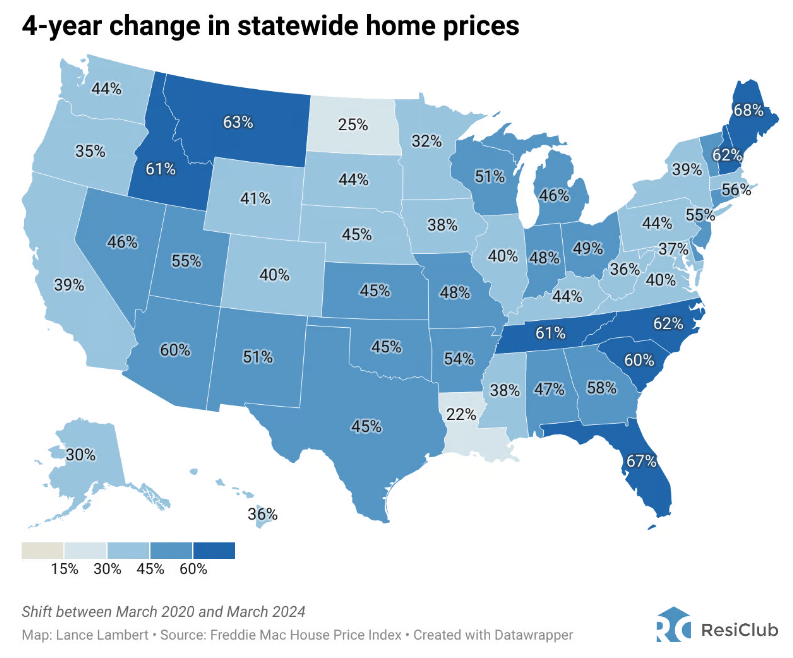
We’re moving from a world where people have only experienced growing housing prices, to one where they are likely to shrink. Over the last 75 years, demand for urban housing was driven by:

  1. Higher population growth
  2. More urbanization
  3. More homes per person
  4. Bigger homes

But supply ground to a halt horizontally and vertically:

  1. Cities grew as much as they could horizontally and the edge of our car suburbs hit the Marchetti constant.
  2. NIMBYs restricted building up, limiting supply

Now, we’re entering a world where all these trends are slowing down or reversing:

  1. In demand:
    1. The population is shrinking or soon will
    2. Urbanization has reached its limits
    3. We have all the homes we need per person. That growth is stopping.6
    4. Homes keep getting bigger, but that trend is slowing every year
  2. In supply:
    1. Remote work eliminates the need to live close to work, which means the entire world becomes potential housing land supply
    2. Building restrictions can’t get any tighter, and will likely be relaxed

Perfectionism, Ambition & Advice For Living

Perfectionism in some areas often ends up as a net negative to overall life. You have a project, like a writing project. You can have an 80% (or even a 98%) solution in two months, or a 100% solution in a year. Time is life. Get it done and move onto the next project.

________________________________

To be ambitious is to imply that “you’re not there yet.” But suppose there is no gap in your mind. That you’re perfectly content with what you have. Has ambition ceased? If you want a certain state to persist, you will no longer have an ambition to accumulate, but rather an ambition to preserve. Being perfectly content with your current state means that you’ll desire what you have now, and wherever there is desire, there is ambition.

________________________________

You need to move beyond a rational return analysis to understand why poor people play the lottery. The average American living in the poorest 1% of zip codes spends $600 a year, or $50 per month, on lottery tickets. Assuming they bought tickets for 30 years, their total lottery spending would’ve been $18,000. If they had saved that money in cash instead, this means they could’ve had an extra $50 per month for 30 years in retirement.

________________________________

101 additional pieces of life advice from 72-year-old Kevin Kelly who recently wrote the book: “Excellent Advice For Living: Wisdom I Wish I Had Known Earlier.” A few favorites:

  • There is a profound difference between thinking less of yourself (not useful) and thinking of yourself less (better).
  • Forget trying to decide what your life’s destiny is. That’s too grand. Instead, just figure out what you should do in the next 2 years.
  • Interview your parents while they are still alive. Keep asking questions while you record. You’ll learn amazing things. Or hire someone to make their story into an oral history, or documentary, or book. This will be a tremendous gift to them and to your family.
  • Asking “what-if?” about your past is a waste of time; asking “what-if?” about your future is tremendously productive.
  • Discover people whom you love doing “nothing” with and do nothing with them on a regular basis. The longer you can maintain those relationships, the longer you will live.
  • Humility is mostly about being very honest about how much you owe to luck.

_________________________________

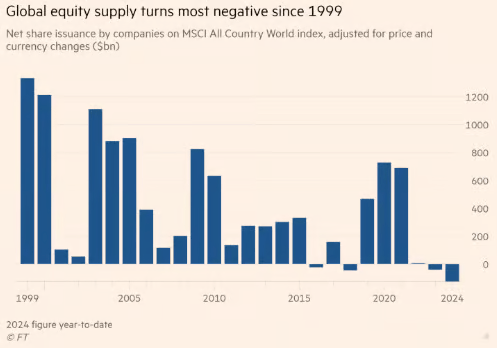
Net share issuance (the amount of new stock being issued vs. how much companies are buying back) is shrinking at the fastest pace in 25 years:

The Hedonic Treadmill & Forecasting Nostalgia

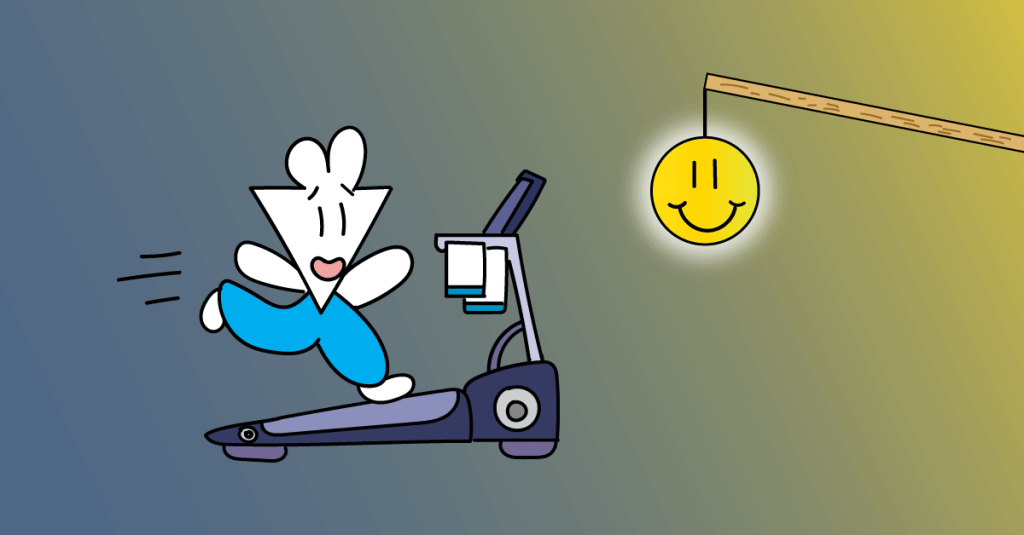
A look at the Hedonic Treadmill and why our obsession with improvement is making us miserable. The instinct to improve our circumstances is a functional one in a society where resources are scarce. The problem arises when those who objectively already have enough — and ample time and money — are constantly marketed endless goods and opportunities.

_________________________

It is extremely difficult to stay in line with positive behavioral finance strategies because we’re wired to do the opposite. If it was easy it wouldn’t work because everyone would be doing it.

_________________________

The importance of being present and strategies on how to do it better including Forecasting Nostalgia: when this chapter is over, what will we have missed?

_________________________

Of the five major sports, the one with the greatest amount of luck involved in wins and losses is hockey. Luck plays a more important role when there are less chances to score.

_________________________

Car insurance premiums have been skyrocketing due to car and auto parts prices rising, drivers getting worse, and more vehicles being damaged by storms. Even with the increase in premiums, the payouts have been higher for private insurers the last few years.

__________________________

Great interview with Scott Galloway where he lightly discusses some of the topics of his new book, The Algebra Of Wealth, before going into a deeper, introspective conversation about his personal life in his 20s, 30s and 40s. He talks about the mistakes he made and the things that were worth it.

__________________________

It’s well understood how Fed rate hikes slow areas of the economy (real estate transactions, consumer loans and small business loans), but they also stimulate the economy in other ways. Bloomberg discussed it this week noting: the jump in benchmark rates from 0% to over 5% is providing Americans with a significant stream of income from their bond investments and savings accounts for the first time in two decades.

The government’s debt has ballooned to $35 trillion, double what it was just a decade ago. That means those higher interest rates it’s now paying on the debt translate into an additional $50 billion or so flowing into the pockets of American (and foreign) bond investors each month.

US households receive income on more than $13 trillion of short-term interest-bearing assets, almost triple the $5 trillion in consumer debt, excluding mortgages, that they have to pay interest on. At today’s rates, that translates to a net gain for households of some $400 billion a year.

__________________________________________

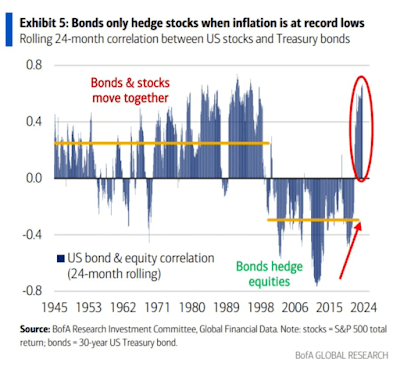
Bonds and stocks started moving together recently (stocks falling in price while bond interest rates rise meaning their underlying value falls). This is a new phenomenon for most investors (including me: I’m only 41). However, the graphic below shows that from 1940 to 2000 stocks and bonds moved together the majority of the time:

____________________________________________

Luck, Contentment & Health

Being Content vs. Being Complacent. Complacency is when you lack or deny awareness of potential dangers. It prevents growth. Contentment is feeling satisfied — at peace with what you have today. But it doesn’t stop growth. You can be content while still wanting to be better.

__________________________________

How Much Is Luck Involved vs. How Much Is Repeatable? In business and investing, you want to learn the big lessons about why things behave the way they do without assuming the past is a direct guide to the future, because it’s not – most of the details are not repeatable. History is the study of change, ironically used as a map of the future.

_________________________________

Self-reflection is pointless unless the person in the mirror is you: not the person you wish you were, but the flawed and fallible person you are. Instead of relying on all available information, we jump to sweeping conclusions from fragmentary data. We think vivid events are more frequent than they are. We overestimate our own experience and expertise. We anchor on irrelevant numbers, exaggerate our successes and forget our failures.

_________________________________

Q&A With Ed Thorp on diet, exercise and managing risks in life. Ed wrote the original book on beating blackjack at casinos (“Beath The Dealer”), then created one of the most successful hedge funds in history (he recently wrote a great book about his life called “A Man For All Markets”).

I read a great book last month called “Fluke” that goes into extraordinary detail on how much luck (or flukes) impact everything in the world.

_________________________________

Bill Perkins wrote a book called Die With Zero that has had an enormous impact on my life over the last few years. In this video interview he provides a great analogy on trying to get the order of things correct in your life:

Life is like Tetris…Let’s say you’re in heaven and you’re about to be born and God is like, “Here is the infinite bucket of experiences. Choose what you would like on your adventure.” And you’re like “Okay. This sex thing seems interesting…okay I wanna ride a bike. I wanna get a job. I wanna graduate. I think I wanna get married and have kids. Strip clubs? That seems interesting. I’ll throw in a couple of those.”

God goes, “Okay you can have them all on one condition—you have to get the order right.” So the people that do the marriage thing and have kids and then put the strip club afterwards don’t kind of get the high score. Because it interferes with it…or they put the heliskiing Mt. Kilimanjaro at 86. It’s kind of in the wrong spot, right?

_______________________________

Insurance companies are taking pictures of our homes from the sky. Nearly every building in the country is being photographed, often without the owner’s knowledge. Companies are deploying drones, manned airplanes and high-altitude balloons to take images of properties. The array of photos is being sorted by computer models to spy out underwriting no-nos, such as damaged roof shingles, yard debris, overhanging tree branches and undeclared swimming pools or trampolines. The red-flagged images are providing insurers with ammunition for nonrenewal notices nationwide.

______________________________

Rangan Chatterjee speaks with Laurie Santos on The Happiness Lab Podcast, and they discuss why (and how) physicians like him are making happiness a priority for health.

________________________________

Waiting In Lines & Expensive Stocks

Why We Hate Waiting In Lines – It produces two conditions that humans hate: boredom and lack of autonomy. To compound these problems, time seems to slow down when you’re waiting for something.

Losses Are Much More Painful Than Gains: Examples from the financial markets, tennis matches and TV late-night hosts.

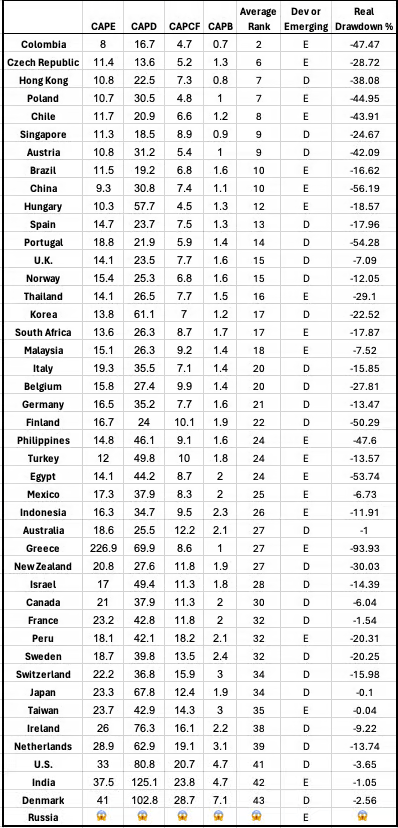
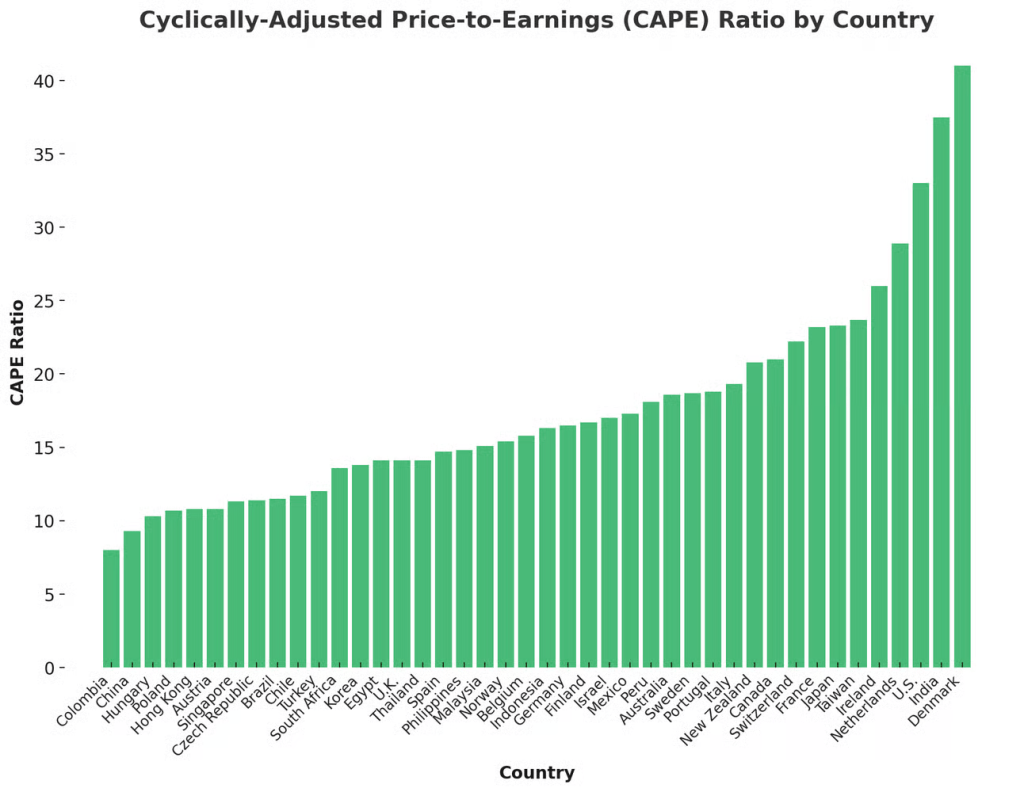
Global Price to Earnings ratio for United States stocks (incredibly expensive) vs. everything outside the United States (inexpensive). My portfolio (heavily weighted toward foreign stocks) is betting that the alligator jaws will close at some point in the future:

Some additional context to the chart above from Cliff Asness this week in Barron’s:

“Since the early 1990s, about 80% of the U.S. dominance has come from relative price/earnings multiple expansion versus non-U. S. stocks. People were paying less for the U.S. at the beginning, and now they are paying considerably more. Maybe that is justified; maybe things like U.S. tech dominance are real. But justified doesn’t mean repeatable. Justified at best means something isn’t going to reverse in a big way. Looking to the future, the case that the U.S. will have permanently higher equity returns is pretty untenable. Even if U.S. companies are worth it, they are priced as such.”

It’s not just foreign stocks that are cheap relative to U.S. stocks. The ratio of commodity prices to the S&P 500 is at historic lows:

A snapshot of how expensive U.S. stocks are relative to the most expensive moment in history (2000), second only to 1929:

Why Good Sleep Fixes Most Things & How To Sleep Better

The Riddle Of Happiness, Hidden Costs & Being A Savage

The Riddle Of Happiness: True happiness cannot be contingent upon any notion of satisfaction. Because to be satisfied is to imply an endpoint. A goal. And as the hedonic treadmill illustrates, once there is a goal, the logical conclusion is to create another chase to distract you. This distraction may keep you amused and busy, but once you’re faced with silence, you will be afraid of what you may feel. The only way you’re happy is when the thought of pursuing it ceases. When you’re content with whatever you’re doing, regardless of how it’s going or what the results may be. You are happy when there is no goal to hit because you understand that the pursuit of that goal creates the endpoint of satisfaction, which is never the answer.

32 Things Learned By Age 32, Including: Sympathy is a useless emotion. Feeling bad for someone does nothing for that person. It only makes you feel better about yourself. You know what is useful? A simple acknowledgment and a gesture of support. Something like, “I know you’re going through a hard time, and I’m thinking about you. Want to [insert activity that person enjoys] together?” The last thing somebody needs when they’re struggling is to comfort your discomfort for them.

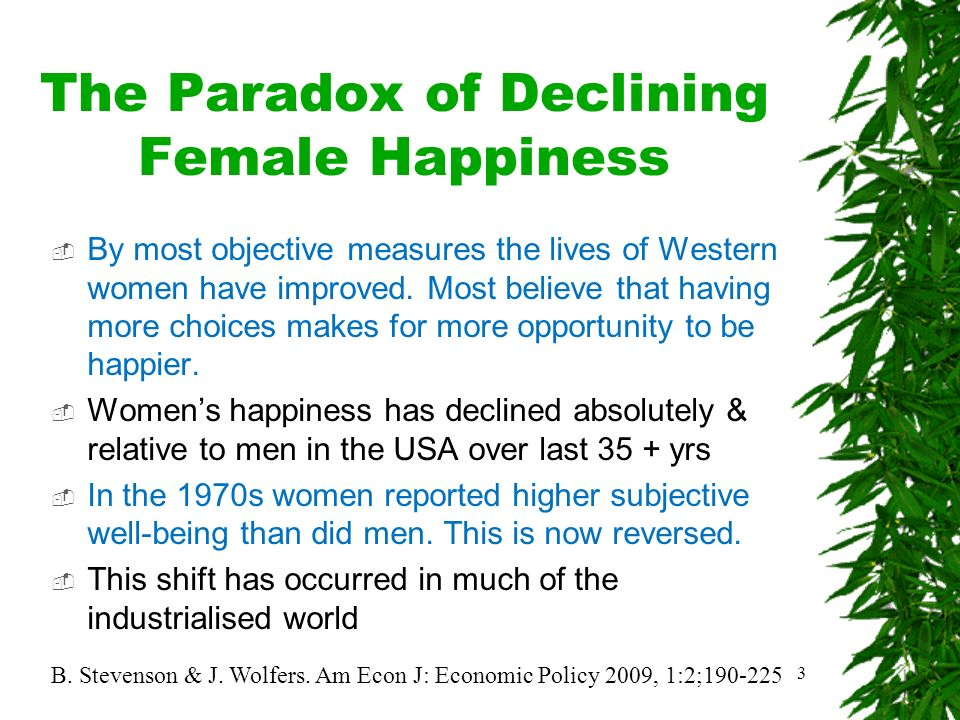
The Female Happiness Paradox: 11 surveys of 167 countries and finds that always and everywhere, regardless of how the question is asked or what measure is used, women say they are more anxious, more depressed, more tired and more pessimistic than men. They are less likely than men to recall smiling or enjoying themselves the day before and are more likely to say they are stressed, lonely, restless and worried about their finances. Women typically report more chronic pain and poorer health and are more likely to take antidepressants. And yet: Women everywhere are still more likely than men to say they are happy and satisfied with their lives. In Gallup World Poll surveys of 167 countries between 2005 and 2021, women from Australia to Saudi Arabia typically rated their lives as high if not higher than men.

There Are Hidden Costs In Almost All Life Decisions – Work, Time, Relationships, Purchases & Trying To Impress Others

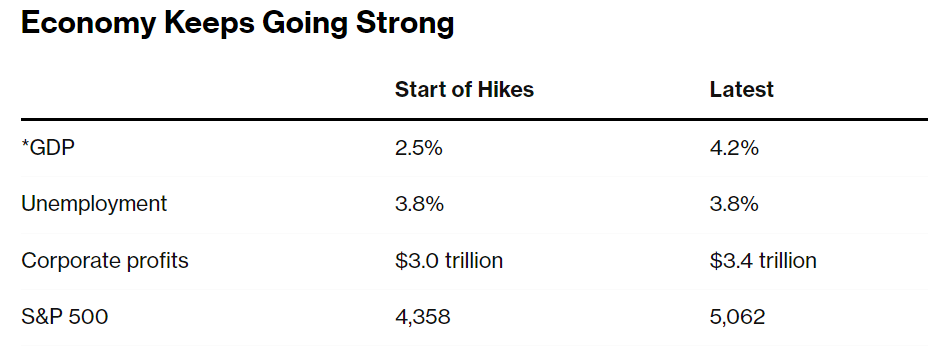
Since the pandemic, many of the most popular economic indicators with impeccable track records stopped working. Two of the most famous, the inverted yield curve and the leading economic index, have been flashing trouble for years while the overall economy has stayed strong.

One of the biggest reasons the economy continues to surprise is the massive amount of government spending/stimulus:

Just be a savage. These days, if you are even remotely a savage and you get out there and you grind hard and you want it badly enough, you can run by anyone. It is all out there for the taking, especially in this era of remote work. There has never been more opportunity out there than there is today. And for the companies and investors looking to excel and outperform? Start by finding these savages.